Japan is not merely a tourist destination now, but rather a worldwide phenomenon. In 2025, a record-breaking 42.7 million international visitors arrived in Japan, many armed with little more than a Japan travel guide and a sense of wonder, surpassing the previous high of 36.9 million set in 2024 and exceeding pre-pandemic 2019 figures by nearly 34%, according to the Japan National Tourism Organization and Nippon.com (January 2026). Visitor spending hit a new all-time high of ¥9.5 trillion (approximately USD 63 billion), ranking Japan’s inbound tourism as the second-largest export sector in the country, only behind automobiles, as documented by Wikipedia’s Tourism in Japan overview.
If you are searching for the most appropriate travel guide for visiting Japan for the first time, or you would like a practical travel schedule in Japan that you can also share with your friends, or even some honest details about travel expenses in Japan, then you will find it in this guide alone. This article provides all information concerning traveling to Japan from India and the best places for sightseeing, budget-cutting tips, seasonal planning, and cultural manners that one should follow before landing in Tokyo.
Why Japan Is the World’s Most Talked-About Destination Right Now
Japan ranked #1 in Condé Nast Traveler’s “Top Countries in the World: Readers’ Choice Awards 2024” in both the U.S. and U.K. editions. Osaka was featured in The New York Times’ “52 Places to Go,” and Kanazawa appeared in National Geographic’s “Best of the World 2025,” as reported by the JITTI USA Tourism Research Journal. The World Travel & Tourism Council (WTTC) projected that Japan’s travel and tourism sector contributed nearly ¥44.6 trillion (USD ~$291 billion) to the national economy in 2024, accounting for approximately 7.5% of Japan’s GDP, a figure also corroborated by Tourist Japan.
It is very evident to all visitors that Japan is an attraction to all. Tourists who are traveling with family members or solo, young couples, the culturally curious, and food enthusiasts find out about some special things that leave lasting impressions in their minds. The weak Japanese currency, currently equivalent to approximately ¥150 per US dollar since 2023, unlike the pre-pandemic rate of ¥110, makes visiting Japan relatively cheaper for many travelers from abroad over the previous five years, a fact that Nippon. com closely monitors.
Figuring out why so many individuals plan on visiting Japan right now gives one a sense of what they are stepping into. It is not merely an observation tour. It is a very interactive and memorable experience that consists of old temples, very bright city streets, ramen stalls that have received Michelin star ratings, high-speed bullet trains that run punctually right to the minute, and the unique custom called omotenashi, which is a whole lot different from anything found anywhere else in this world.
How to Go to Japan From India: Flights, Visa & Entry Requirements
Flights From India to Japan
For Indian travelers, the most common question before planning a trip to Japan is: What will the flight cost me, and which route is best?
Round-trip flights from India to Japan typically cost between ₹40,000 and ₹90,000 per person, depending on the season and how far in advance you book, according to the Rimigo Blog’s January 2026 India-Japan travel pricing report. Here is a quick breakdown:
- Direct flights from Delhi (DEL) to Tokyo Haneda (HND): Available via Air India, Japan Airlines (JAL), and ANA. Flight time is approximately 7.5–8 hours. Costs range from ₹60,000–₹75,000 round-trip.
- Connecting flights from Mumbai, Bangalore, Chennai, Hyderabad: Usually cost ₹45,000–₹60,000 via hubs in Singapore (Changi), Dubai, Bangkok (Suvarnabhumi), or Hong Kong.
- Budget airlines via Dubai or Singapore: Round-trip fares can drop to ₹35,000–₹45,000 if you book 2–3 months ahead, though baggage and meals are extra.
Pro tip: To be able to save up to ₹15,000 on airfares, you should consider leaving on a Tuesday or Thursday. Also, avoid booking during peak seasons like the Japanese Golden Week at the end of April and beginning of May, cherry blossom viewing season from late March to mid-April, and also the New Year period in late December, because these periods witness a significant increase in airfare rates.
Japan Tourist Visa for Indians
Yes, Indian citizens who possess passports are required to get a Japan Tourist Visa. Over time, the visa application procedure has been made easier with applications processed through VFS Global Japan Visa Application Centers all over India.
Typically, applicants must submit:
- A valid passport (valid for six months from the date of entry into Japan)
- Completed visa application form
- Some recent passport-size photographs
- Bank statements of the last three to six months showing sufficient financial resources
- Confirmed flight booking and hotel reservations
- Detailed itinerary of travel plans
- Income tax returns or salary pay slips.
The visa fee is approximately ₹1,310 (single entry). Processing time is usually 5–7 working days. Japan does not offer a visa on arrival or an e-visa for Indian citizens, so apply at least 3–4 weeks before your departure date.
Most visited entry airports from India:
- Narita International Airport (NRT), Tokyo – largest hub
- Haneda Airport (HND), Tokyo – more central, preferred for direct Indian routes
- Kansai International Airport (KIX), Osaka – ideal if your itinerary starts in Kyoto or Osaka
Also Read: 19 Best Places To Visit In India During Summer
Japan Travel Itinerary: Best 7-Day & 10-Day Plans
A well-structured Japan travel itinerary is the backbone of a great trip. Japan is a large country with many regions, but most first-time visitors follow a classic “Golden Route” covering Tokyo, Kyoto, and Osaka. Here are tried-and-tested itinerary templates you can adapt.
7-Day Japan Itinerary (Classic Golden Route)
This is the best Japan trip guide for first-timers who want to see the highlights without feeling rushed.
Day 1–3: Tokyo
Almost all top Japan travel guides begin with Tokyo. One gets to arrive in Narita or Haneda, get checked in, and then spend three full days in the world’s biggest metropolitan area, which has approximately 37 million residents.
- Shibuya & Harajuku: You see Shibuya Crossing, known to be the busiest crosswalk on earth, and also, there is Takeshita Street, a place for youth fashion.
- Shinjuku: The Golden Gai is found in this area, which is best for izakaya nightlife, then there is Kabukicho, which is the entertainment district, while you can have some green space in Shinjuku Gyoen National Garden.
- Asakusa: This is home to Senso-ji Temple, the oldest in Tokyo, which was started in 628 CE, and Nakamise shopping street, which has some traditional souvenirs for you.
- Akihabara: It is a heaven for anime, manga, gaming, and electronic goods aficionados.
- Odaiba: This is a waterfront area that looks futuristic with lots of digital art and some other things like the TeamLab museums, Gundams, and the Joypolis.
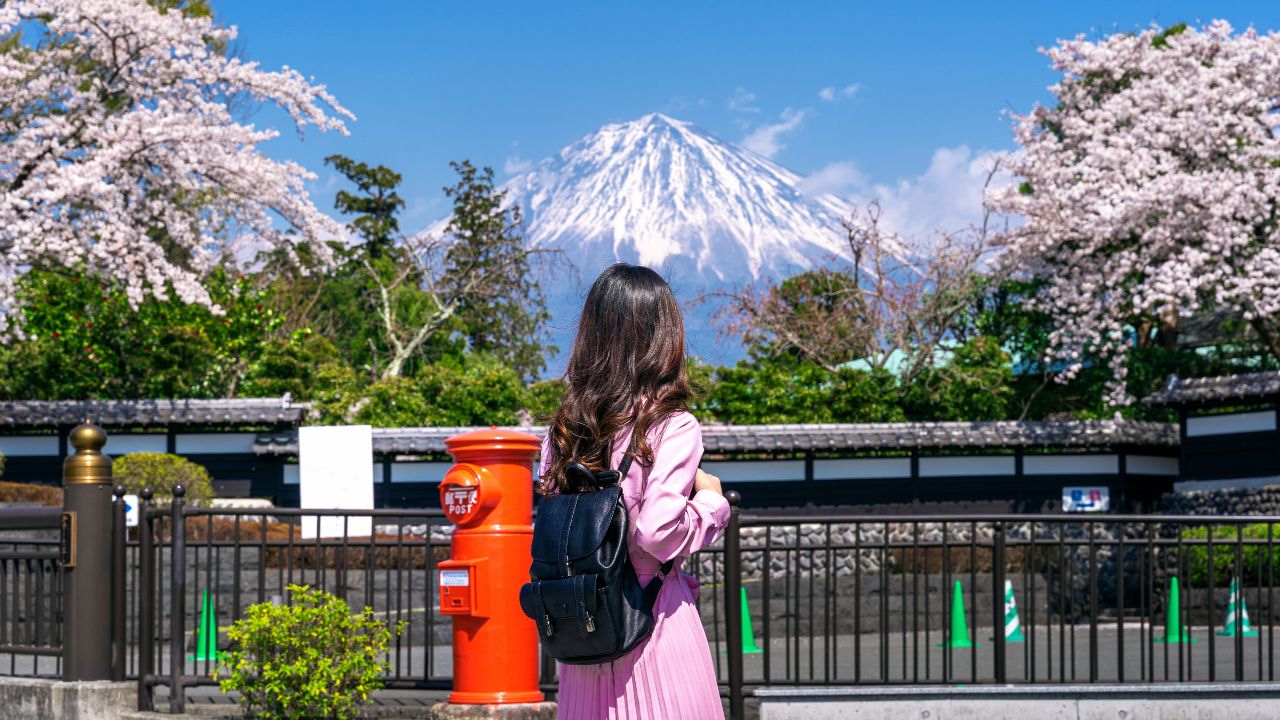
- One-day getaway option: Mount Fuji from Kawaguchiko, which is only two and a half hours away from Tokyo by either bus or train. The beautiful 3,776 m high volcano that is very well-known in Japan is among the most beautiful places shot in Japan.
Day 4: Hakone (Optional Day Trip or Overnight)
While traveling from Tokyo to Kyoto, stopping at Hakone is worth it for the open-air museum, traditional hot spring bath facilities, and Mt Fuji views from over Lake Ashi. It takes approximately 85 minutes to travel from Shinjuku to Hakone using the Hakone Romancecar train.
Day 5–6: Kyoto
Kyoto is the cultural and spiritual heart of Japan home to over 1,600 Buddhist temples and 400 Shinto shrines, according to the Kyoto Convention Bureau. Key sites include:
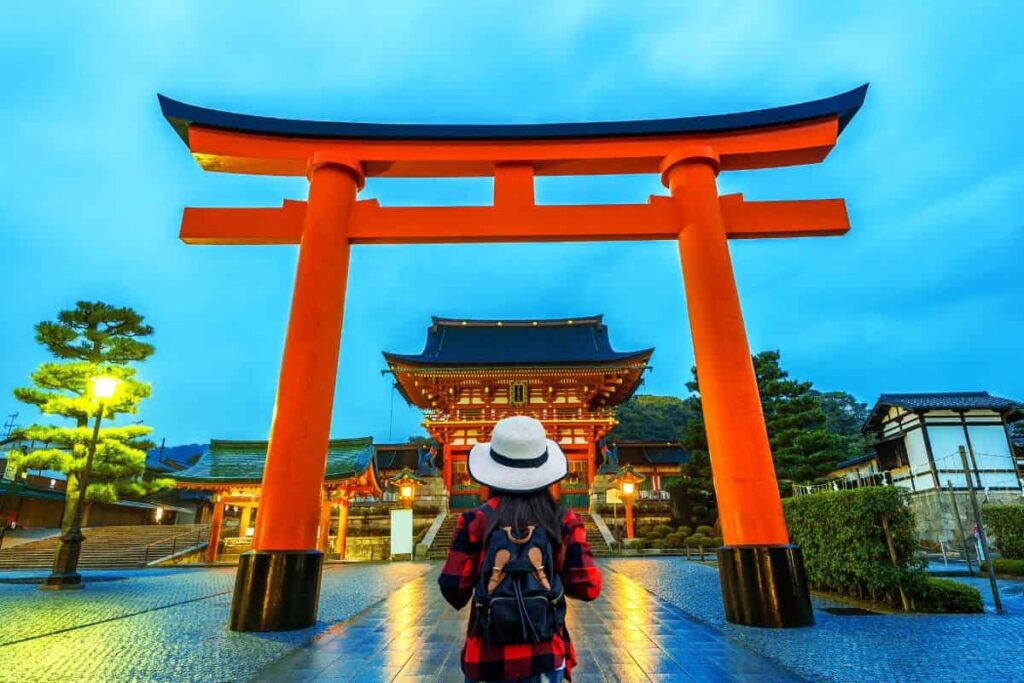
- Fushimi Inari-taisha: This iconic mountain trail is lined with thousands of vermilion torii gates, completely free to enter, and best visited at dawn when crowds have not yet arrived there
- Arashiyama Bamboo Grove & Tenryu-ji Temple: You will see the world’s greatest heritage garden on the edge of the hauntingly beautiful bamboo forest
- Kinkaku-ji (Golden Pavilion): This Zen temple covered in gold leaf is probably one of the most photographed buildings across all of Japan
- Gion District: In this geisha district that was left untouched in Kyoto, you can see a maiko (apprentice geisha) at the early hours of the day
- Philosopher’s Path: Cherry blossoms are seen along a canal walk connecting a few major temples, and it provides an ideal place for a quiet morning walk
- Nishiki Market: The narrow 400-year-old market is referred to as ‘Kyoto’s Kitchen’, offering every possible Japanese food item.
Day 7: Osaka (and departure)
Take a 15-minute Shinkansen from Kyoto to Osaka. Spend the day in Dotonbori, Japan’s most exuberant food and entertainment district, before flying home or extending your trip.
- Dotonbori: Try takoyaki (octopus balls), okonomiyaki (savory pancakes), and kushikatsu (deep-fried skewers)
- Osaka Castle: A 16th-century castle surrounded by a moat and extensive parkland
- Kuromon Ichiba Market: A lively local food market, great for fresh seafood and street food
- Namba & Shinsaibashi: Osaka’s shopping and nightlife epicenter
10-Day Japan Itinerary (Extended With Hiroshima & Nara)
For travelers with more time, a 10-day Japan travel itinerary adds two deeply significant stops:
- Nara (Day 7): It was the initial permanent capital of Japan from 710 to 784 CE, which is located with more than 1200 free-moving sacred deer as well as at the Todai-ji Temple, a 15-meter bronze Buddha. Nara is just 45 minutes away from Kyoto via train.
- Hiroshima & Miyajima Island (Days 8–9): A really significant and historical experience is offered by the Peace Memorial Park and Museum in Hiroshima. By taking a short ferry to Miyajima Island, you are taken to the well-known ‘floating’ Itsukushima Shrine torii gate, one of Japan’s most visited destinations when traveling to Japan.
- Extra days in Tokyo or Kyoto (Day 10): Utilize the extra time to go to Hakone onsen area, the historic town of Nikko situated in the north of Tokyo, or Osaka’s teamLab Planets, an immersive art experience.
Also Read: 8 Must-See Sights To See When Travelling Through Italy
Best Time to Travel in Japan
Choosing the best time to travel in Japan significantly shapes your experience — and your budget.
Cherry Blossom Season (Late March – Early April) Most Popular
Japan’s sakura (cherry blossom) season is one of the world’s most breathtaking natural events. Trees typically bloom from late March in Tokyo, with the blossoming front moving northward through April. This is unquestionably the most magical time to travel in Japan, but it is also the most expensive and crowded. In 2024, cherry blossom months saw over 3 million visitors per month, according to Tourist Japan’s Travel Trends 2024 report. Book accommodation at least 3–6 months in advance and expect premium pricing across all categories.
Autumn Foliage (Mid-November – Early December) Best Value for Scenery
Japan’s koyo (autumn colors) features a fiery change from greens to golds, oranges, and deep reds that is just as impressive as cherry blossom season but with fewer crowds. It is arguable that the best time to visit Japan if you are a photographer, a trekker, or a person who likes cooler temperatures with low humidity levels. The temple gardens of Kyoto, as well as Nikko’s shrines in wooded areas, are very stunning.
Summer (July – August) — Hot, Humid, Festive
The Japanese summer is extremely hot and humid, with temperatures over 35 degrees common in cities such as Tokyo and Osaka. Nevertheless, this period is known for a unique matsuri (festival) culture in Japan– The Gion Matsuri festival held in Kyoto during July, Awa Odori in Tokushima in August, as well as thousands of local hanabi fireworks displays across the entire nation. Costs for accommodation are high around the Obon holiday week (mid-August).
Winter (December – February) — Quiet, Affordable, Ski Season
Winter is the best time to travel in Japan if you are on a budget. The cost of accommodations and airfare is low in the first two months of the year, January and February, apart from the well-known ski destinations in Hokkaido and Nagano. The cities of Tokyo and Osaka are completely operational, while one can witness the New Year rituals in significant shrines. Millions of people flock to Hokkaido’s Sapporo Snow Festival in February for its amazing ice sculptures.
Spring (Late April – June, excluding Golden Week)
After the cherry blossoms have faded, Japan enters into a pleasant time with nice weather, wisteria and azalea blooms, and reasonable crowds. Avoid Golden Week (April 29 – May 5) when Japan virtually stops for a whole week of national holidays, and there is a lot of domestic travel. The mid-to-late May and early June are the underappreciated gems for traveling to Japan.
Best Cities to Travel in Japan: Key Destinations & Regions
Japan’s regional diversity is one of its greatest strengths. Here is a strategic overview of the best cities to travel in Japan for different types of travelers.
Tokyo — The Future Meets the Past
Tokyo has some of the most contrasting parts: There’s the very peaceful Meiji Shrine located deep in an urban forest, while just a few minutes away lies the epileptic sensory overload of Shibuya. The city contains more than 200 Michelin-starred eateries, which are more than any other city worldwide; it rewards both the curious and the cultured. For first-time visitors on a Japan trip guide, Tokyo is always the necessary starting point.
Best neighborhoods by traveler type:
- Culture & History: Asakusa, Yanaka
- Shopping & Fashion: Harajuku, Ginza, Shibuya
- Nightlife & Entertainment: Shinjuku, Roppongi
- Anime & Manga: Akihabara
- Art & Design: Roppongi, Odaiba
Kyoto — The Soul of Traditional Japan
Kyoto held the role of Japan’s imperial capital for over one thousand years (794-1868 CE) and at present holds the country’s most numerous temples, shrines, traditional wooden houses (machiya), geisha culture, and ceremonial arts. For travelers asking about the best city to travel in Japan for cultural depth, the answer is almost always Kyoto.
Kyoto holds 17 UNESCO World Heritage Sites, which are more than what some entire countries have. A two or three-day visit will not be enough.
Osaka — Japan’s Street Food Capital
Osaka is much louder and earthier than Kyoto; it has more humor and is known for its residents who are friendly and for its great food. The Osaka locals say kuidaore, meaning “eat until you drop.” And indeed, this city really lives up to that. You can witness the illuminated food stalls at Dotonbori, fresh seafood in Kuromon Market, and some Michelin-starred places located in Kitashinchi, making Osaka the most important place for any Japan travel guide.
Hiroshima — History, Resilience & Natural Beauty
The Hiroshima Peace Memorial Park is considered among the globe’s significant historical locations, yet this city itself is energetic, modern, and very welcoming. A must-try okonomiyaki from Hiroshima is among Japan’s preferred local cuisines. You can take a ferry ride over to nearby Miyajima Island to witness one of Japan’s best-photographed views.
Nara — Ancient Capital With Free-Roaming Deer
Nara, which can be easily visited from both Kyoto and Osaka, is an ideal place that offers visitors a real feeling of traveling back in time. In the Nara Park, there are holy deer that move around freely; these animals are classified as national treasures and are friendly enough that they will bow on seeing some shika senbei (deer biscuits) sold by traders within the park premises.
Hokkaido — Japan’s Great Wilderness
Northernmost Japan is perfect for nature lovers who also happen to love food and skiing. Dairy products of great quality, seafood, and winter vegetables produced in Hokkaido are some of the best in Japan. The Sapporo Snow Festival, the stunning view of the purple color of the lavender in Furano during July, and also those untouched volcanic lands in Daisetsuzan and Akan national parks make Hokkaido one of the really worth-seeing beautiful places in Japan for those tourists visiting away from peak season.
Other Notable Destinations
- Kanazawa: The geisha district and Kenroku-en Garden, which is one of Japan’s top three scenic gardens, are the reasons why this is called ‘Little Kyoto’. In National Geographic’s “Best of the World 2025”, Kanazawa was featured.
- Hakone: There are lots of hot springs where you can see Mount Fuji, plus the Hakone Open-Air Museum; it’s an excellent trip to take from Tokyo that lasts 1 to 2 days.
- Nikko: Highly detailed shrines and tombs are located in the mountains about two hours away from Tokyo.
- Okinawa: This is the southernmost tropical island chain in Japan, famous for having clear blue waters over white sand beaches, and it also has its own culture, which is very different from that of the Japanese.

Travel Cost in Japan: A Realistic Budget Breakdown
The question “Is Japan expensive?” is one of the most common in any Japan travel guide, and the honest answer is: it depends entirely on how you travel. Japan is far more affordable today than it was a decade ago, partly because of the weak yen.
A well-planned 7-day trip to Japan from India can cost as little as ₹89,000 (budget) to ₹2,00,000+ (mid-range) per person, all-inclusive of flights, accommodation, food, transport, and activities, based on Dimaak.com’s 2025 Japan trip cost breakdown. Here is how the major cost categories break down:
Flights (Round-Trip from India)
- Budget: ₹35,000–₹45,000 (via connecting flights, booked 2–3 months ahead)
- Mid-range: ₹50,000–₹65,000
- Business/direct: ₹70,000–₹90,000+
Accommodation (Per Night)
- Capsule hotels/hostels: ₹1,500–₹3,000
- Budget business hotels: ₹3,500–₹6,000
- Mid-range 3-star hotels: ₹6,000–₹10,000
- Traditional ryokan (Japanese inn): ₹10,000–₹25,000+
- Luxury hotels: ₹20,000–₹50,000+
Note: Hotels in Nara and Hiroshima are typically 15–20% cheaper than in Tokyo, as noted by Dimaak.com’s hotel pricing guide.
Also Read: Affordable Resorts
Food (Per Day)
- Convenience store meals (7-Eleven, FamilyMart, Lawson): ₹200–₹400 per meal
- Ramen, curry, or teishoku (set meal) at local restaurants: ₹400–₹800 per meal
- Mid-range restaurant: ₹1,000–₹2,000 per meal
- Upscale dining: ₹3,000–₹10,000+
Indian travelers’ tip: Travelers from India have this to say about Japanese convenience stores that offer some surprisingly good yet reasonably priced meals, which include onigiri, rice balls, sandwiches, hot noodles, as well as seasonal specialty items. If you are a vegetarian or one who follows the Jain diet, then planning is a must, since although there are choices of vegan and vegetarian options, these take some investigation around the area to find.
Transport Within Japan
- Tokyo Metro / local trains: ₹150–₹250 per ride
- IC cards (Suica, Pasmo): Pre-loaded smart cards accepted on almost all trains, buses, and even convenience stores across Japan — highly recommended
- JR Pass (7-day, ordinary class): ₹20,000–₹25,000 — worth it if you plan intercity travel on the Shinkansen between Tokyo, Kyoto, Osaka, and Hiroshima. Book in advance online; collect at major train stations or airports on arrival.
- Taxis: Expensive. Starting fare around ₹400–₹500 for 2 km — avoid for long distances
- Domestic flights (e.g., Tokyo to Sapporo): ₹5,000–₹8,000
Activities & Attractions
- Most public parks, shrine grounds, and temple exteriors: Free
- Major shrine/temple interiors: ₹200–₹600 entry
- TeamLab Borderless (Tokyo): ~₹3,000
- Tokyo Disneyland or DisneySea: ₹3,200–₹5,400 per ticket, depending on age and date
- Universal Studios Japan (Osaka): ₹3,500–₹6,000
- Hiroshima Peace Memorial Museum: ~₹150 (one of Japan’s most significant sites, almost free)
Complete 7-Day Budget Summary (Per Person From India)
| Travel Style | Total Estimated Cost |
| Budget traveler | ₹89,000 – ₹1,10,000 |
| Mid-range | ₹1,20,000 – ₹1,80,000 |
| Comfortable/premium | ₹1,80,000 – ₹2,50,000 |
| Luxury | ₹3,00,000+ |
Is $5,000 enough for a trip to Japan? At current exchange rates (~₹150 per USD), $5,000 equals approximately ₹7,50,000 — this is a generous budget for a 10–14 day trip, even at mid-range spending. You could comfortably stay in excellent hotels, use the Shinkansen freely, eat well, visit paid attractions, and still have money left over for shopping.
Japan Travel Tips & Planning: 20 Things You Must Know
A great Japan travel guide is incomplete without frank, practical advice. Here are the most important tips for visiting Japan gathered from real traveler experience and cultural expertise.
Before You Go
1. Booking flights 2–3 months in advance is key. The prices of flights from India to Japan can change greatly. It would be best if one could manage to book their flight 60–90 days prior to their date of travel. Utilize Google Flights or Skyscanner, and set up price alerts so that you get information about any changes in prices.
2. Be on time with your visa application process. You need to submit the form in person at a VFS center to receive a Japanese tourist visa. All in all, give yourself enough time, about 2-3 weeks, before you actually collect your visa. On no account should one pay for non-refundable flights unless one’s visa has been confirmed.
3. Before finalizing, do your research on the JR Pass. The Japan Rail Pass is an excellent option to take into consideration, especially when crossing through several cities, e.g., Tokyo, Kyoto, Osaka, Hiroshima, etc. Nevertheless, if your itinerary involves staying in only one place for most of the time, then IC cards as well as point-to-point tickets might offer greater savings. Plan out your routes by using Hyperdia or the Google Maps transit tool.
4. One should book their choice of accommodation in advance for 3–6 months, especially during peak season. Prices of accommodation skyrocket in the cherry blossom season, which falls in late March through April, and the autumn foliage period in November, and this also leads to the selling out of rooms quickly. At times, budget hostels during those times can be as expensive as mid-range hotels in the low season.
5. Download key apps before arrival:
- Google Maps (works excellently in Japan with transit navigation)
- Google Translate (with offline Japanese language pack downloaded)
- Hyperdia or Japan Official Travel App (train schedules and route planning)
- Tabelog (Japan’s leading restaurant review platform)
- PayPay or IC card app (for cashless payments in convenience stores and transport)
Money & Payments
1) Japan is still heavily dependent on cash. Although there’s an increase in card acceptance, most of the traditional eateries, rural places, small shrines, and marketplaces either prefer cash payments or demand them for now. See that you carry some ¥10,000 to ¥15,000 with you all the time.
2) Utilize the Forex card or multi-currency travel card. They provide superior exchange rates compared to those found at airport money changers.
3) Take out cash in bulk at ATMs. In Japan, ATM operators charge fees for each withdrawal. It would be prudent to take in more money less often so as not to incur high costs. Be aware that 7-Eleven ATMs can be easily accessed and are most reliable for cards from around the world.
4) The currency is: approximately 1. 8 Japanese Yen for one rupee (as of 2025). Mental mathematics becomes very easy: For example, a cup of ¥500 coffee would cost you approximately Rs 280, while a bowl of hot ramen for ¥1000 will cost about Rs 560. This makes it possible to control your expenses when out there.
Getting Around
1) Trains become your best friends when in Japan, as their rail network is among the most precise and greatest on the planet. On the other hand, the Shinkansen or bullet train links Tokyo with Osaka in less than two hours at high speeds exceeding 320km/h. Also, local metro systems in cities such as Tokyo, Kyoto, and Osaka are very much developed, affordable, and highly reliable. IC cards (e. g., Suica in Tokyo and ICOCA in Osaka) are widely applicable across public transportation systems and can also be used at convenience stores.
2) Upon arrival in Japan, it would be wise to obtain a Suica or ICOCA card. These rechargeable IC cards make buying individual tickets for every trip unnecessary. You may charge them with ¥5,000 to ¥10,000 at any station kiosk. They are accepted for use in buses and taxis, and even in major cities’ trains.
3) The most affordable means of intercity traveling are buses. Night buses that connect Tokyo with Kyoto or Osaka have a cost of approximately ¥3,000 to ¥5,000, and they come with reclining seats. They also help cut down costs that were for overnight accommodation, and they are loved by many travelers who follow cost-effective travel tips in Japan.
Culture & Etiquette
1. Remove your shoes indoors. It is really a requirement in most traditional Japanese restaurants, ryokans, and homes that you take off your shoes when getting inside through the entrance door and put on clean, presentable socks.
2. Do not eat while walking around. This is a deeply ingrained cultural practice of Japan that prohibits individuals from consuming anything while taking a walk around or crossing a busy street, except at those designed like stalls (street food) that are found in some particular areas, such as Asakusa or Nishiki Market. Eat at the designated place only.
3. Never leave a tip behind. Tipping is seen as improper in Japan. Excellent services in Japan are due to its cultural norms and are thus expected rather than paid for as extra compensation. You can display appreciation by leaving money on a tray that is given out in restaurants when you are done.
4. Follow the line in a queue. The principle behind this is about sticking to the culture of queuing in Japan, which is very important. To be able to follow some rules, join the queue patiently; always keep on the left side when using an escalator in Tokyo, but on the right side in Osaka, and also keep calm and never rush through any lines, like in temples, train stations, or even at ramen houses, etc.
5. Tattoos could be a problem when visiting an onsen. In many cases of old bathhouses, there are specific rules against individuals with tattoos that are clearly visible. Be sure to check the rules of every bathhouse before going there. If you’re a traveler who has body art and you want to have your own bath privately, then there is an answer for you, and that is the private onsen rental called kashikiriburo.
6. At shrines and small eateries, cash is king. Even up to 2025, almost all types of traditional Japanese businesses, especially located in Nara’s historic streets and in Kyoto’s temple zones, do not accept visa cards, let alone credit cards. Therefore, carry enough cash for your daily use.
For Indian Travelers Specifically
19. Vegetarian and Jain food requires planning. Japanese cuisine relies heavily on fish-based dashi broth and meat ingredients. While purely vegan and vegetarian restaurants exist (especially in Tokyo and Kyoto), they require advance research. Apps like HappyCow help locate plant-based options. Carrying some ready-to-eat Indian food (instant meals, snacks) as backup is practical for longer trips away from major cities.
20. SIM card or eSIM for connectivity. Purchase a tourist SIM card at Narita or Haneda airport (Japanese carriers like IIJmio, Mobal, or SoftBank offer short-term tourist plans). Alternatively, an eSIM from providers like Airalo can be activated before departure. Reliable internet access is essential for Google Maps navigation in Japan’s complex train system.
How to Travel in Japan: Transport Deep Dive
Understanding Japan’s transportation ecosystem is central to any useful guide to traveling to Japan. Here is a structured breakdown:
Shinkansen (Bullet Train)
Japan’s pride and engineering marvel. The Tokaido Shinkansen between Tokyo and Osaka runs every 10–15 minutes at peak times with near-perfect punctuality. Key routes for travelers:
- Tokyo → Kyoto: ~2h 20min (Hikari), ~2h 15min (Nozomi, not covered by JR Pass)
- Tokyo → Osaka: ~2h 30min (Hikari)
- Osaka → Hiroshima: ~45min (Sakura/Nozomi)
- Tokyo → Sendai (for Tohoku region): ~1h 30min
Metro Systems
Tokyo’s metro (Tokyo Metro + Toei) has 285 stations across 13 lines — the most complex urban rail system in the world. Despite its scale, the color-coded map and English signage make navigation manageable for international tourists. Osaka’s metro is smaller and easier to master. Kyoto relies more on buses and a smaller subway system.
Buses
Intercity highway buses are the most budget-friendly long-distance option. Night buses are especially popular. Willer Express and JR Bus Kanto are the major operators.
Rental Cars
Recommended only for exploring rural areas like Hokkaido, the Japanese Alps (Nagano/Gifu), or the Ise Peninsula. International driving permits are required for Indian license holders. Japan drives on the left.
IC Cards vs. JR Pass
- JR Pass: Best for travelers covering Tokyo + Kyoto + Osaka + Hiroshima in 7–14 days
- IC Card (Suica/ICOCA): Best for city-by-city exploration with point-to-point transit
- Combination: Most experienced travelers use both the JR Pass for Shinkansen and an IC card for the local metro
Also Read: Top Travel Destinations In India
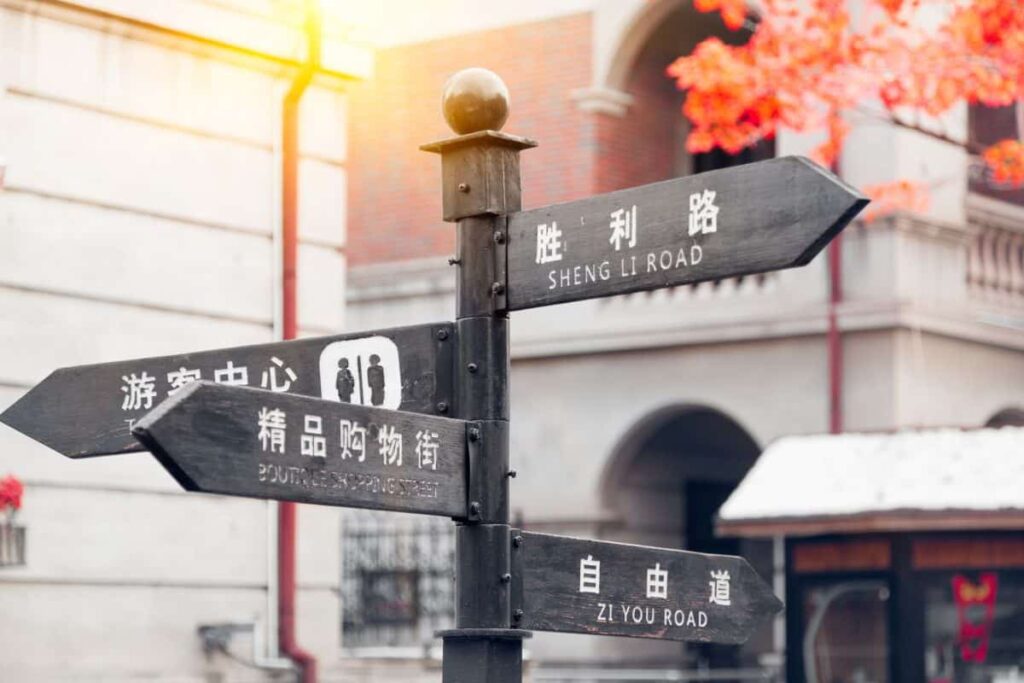
Japan Travel Guide by Traveler Type: Who Should Visit and When
One of the most overlooked aspects of any thorough Japan tourist guide is helping different types of travelers understand what Japan offers them specifically. Japan is not a single-experience destination; it speaks differently to every person who visits.
Japan for Solo Travelers
Japan is quite safe, very rewarding, and among the best options to consider for solo traveling. The extremely low crime rate, abundance of English signs in major Japanese cities, and the culture that is very kind and polite make Japan an ideal destination for international solo travel, especially for first-timers. In 2024, solo travelers accounted for 35% of Tourist Japan’s clientele, a 12% increase from 2023, with 97% of them ranging between 18 and 28 years of age.
To solo travelers, there is this uniquely Japanese capsule hotel that you must try out once in your lifetime, and the quality of these current capsule hotels (with Manga and Pod-type capsules that include individual entertainment screens, luggage lockers, and shared bathrooms) is definitely far beyond one’s expectations of it. And then there are hostels with communal areas and arranged activities, which are also very good options where you can meet other travelers. Dining alone is totally acceptable in Japan – a lot of ramen and sushi restaurants have countertops particularly meant for individuals.
Japan for Families
Japan saw a 54% annual increase in family travelers in 2024, according to Tourist Japan, driven partly by Japan’s reputation as an extremely safe, child-friendly destination. Children are welcomed enthusiastically in most restaurants, and public spaces are exceptionally clean and well-organized.
Family highlights include:
- Tokyo Disneyland & DisneySea: Tokyo’s two Disney parks are consistently rated among the top theme parks in the world
- Universal Studios Japan (Osaka): The Super Nintendo World expansion is a highlight for children and adults alike
- Nara deer park: Children feeding and interacting with sacred deer is one of Japan’s most magical experiences
- TeamLab Planets (Tokyo) / TeamLab Borderless: Immersive digital art environments that captivate all age groups
- Owl cafés, cat cafés, hedgehog cafés (Tokyo): Japan’s unique animal café culture is endlessly fascinating for younger travelers
Japan for Honeymooners
Japan gives you very romantic experiences at all budgets — like having a private rotenburo, an outside bath in an onsen (hot springs), with a view of Mt Fuji in Hakone, and dining in an ancient Kyoto machiya house that has been lit by lanterns for kaiseki dinner. The Japanese style is so good for romance because of its attention to small things, beautiful changes of seasons, and its wabi sabi way of seeing beauty in what is not perfect.
A majority of honeymoon plans for Japan are typically mixed with Tokyo’s high energy & its universal romanticism with Kyoto’s cultured deepening and a 1-2 night ryokan stay in Hakone or Kinosaki Onsen. The cost of a couple’s seven-day stay in Japan coming from India is mostly within ₹1,65,000 and ₹2,00,000 for two people together, excluding luxury additions, according to SEGV Tours’ 2025–2026 honeymoon pricing data.
Japan for Budget Backpackers
In contrast with what is often seen as an expensive reputation, Japan is truly very inviting to backpackers who adopt ways of living like locals. To do the travelling in Japan economically is by eating in convenience stores for a minimum of one meal every day, staying in capsule hotels/hostels, using overnight buses rather than Shinkansen to move between cities and sticking to free attractions such as parks, shrines, hiking trails and avoid travelling during high demand periods (January and February are considered the cheapest months excluding ski resorts).
Someone who plans as a budget traveler can easily make up around 5,000–7,000 yen daily for his/her meals, accommodation, and other kinds of transport from where he/she is, without including flight expenses as well as JR pass or journeys over long distances.
Also Read: 10 Best Travel Destinations In Asia
Japanese Culture & Customs: Understanding the Country You’re Visiting
No Japan travel guide is complete without some cultural context. Japan’s social customs are deeply rooted in centuries of tradition and philosophical principles that influence everything from how you eat to how you greet strangers.
The Concept of Ma (間) — Negative Space
Aesthetics of Japanese origin have Ma, which is an example of a meaningful pause or a meaningful gap. An example can be seen in rock gardens within temples, as well as deliberate building distances, and quiet conversations carrying as much significance as spoken words. With this knowledge, travelers would better navigate the culture with high sensitivity, given their knowledge of Japan’s appreciation of modesty, subtlety, and the spaces existing between entities.
Omotenashi — The Art of Selfless Hospitality
The culture of serving in Japan is best illustrated by omotenashi, which stands for hospitality rendered without any thought of return. This is also the explanation behind the tipping being very much unwelcome or completely unnecessary. It is assumed that giving a tip means that the attendant did you a favor; however, good service should be considered as part of the basics of showing respect. The staff in restaurants will provide hot towels to you, refill your drinking water while you do not perceive that it has been exhausted, and bow to you as you leave, even after disappearing from view.
Wabi-Sabi — Beauty in Imperfection
Japanese aesthetics take into account wabi-sabi, which is beauty that lies in things like imperfections, incompleteness, and instability. Such as a tea bowl that is cracked and restored using gold lacquer, kintsugi, which makes it appear even prettier because of its rich background history, and a stone lantern covered with moss and looking very old. These views influence the way the Japanese plan their living spaces and environment, prepare meals, take care of their gardens, and approach their arts.
Festivals (Matsuri) as Community Ritual
Japan has thousands of festivals every year, with many having been celebrated for more than a thousand years. They are not tourism activities but living community rituals deeply rooted in the Buddhist and Shinto traditions. Among them are:
- Gion Matsuri (Kyoto, July): Japan’s most well-known festival takes place throughout July, with the principal procession being held on July 17. The elaborately decorated yamaboko floats go through the city’s streets in a practice traceable back to 869 CE.
- Awa Odori (Tokushima, August 12–15): An exciting and joyful mass dance festival attracting more than one million observers
- Tanabata (nationwide, July 7): The Star Festival is an event to celebrate the annual meeting of the gods Orihime and Hikoboshi, decorated bamboo twigs with wishes written on paper
- Sapporo Snow Festival (February): Huge snow and ice structures are displayed throughout the Sapporo city area, and with this, they attract over 2 million visitors
Japanese Cuisine: What to Eat and Where
Food is not an afterthought in Japan; it is often the reason people travel there. Japan has more Michelin stars collectively than any other country. From ¥500 convenience store onigiri to ¥30,000 multi-course kaiseki dinners, every level of the food spectrum is extraordinary by global standards.
Must-Try Foods by Region
Tokyo:
- Tsukiji outer market (tuna sashimi at 6 am)
- Ramen in Shinjuku’s Golden Gai
- Crispy tempura in Asakusa
- Fluffy soufflé pancakes in Harajuku
- Yakitori skewers under the train tracks in Yurakucho
Kyoto:
- Kaiseki (multi-course refined cuisine)
- Tofu cuisine (Kyoto’s temple food culture)
- Matcha sweets and green tea desserts
- Nishin soba (herring noodles) at Nishiki Market
Osaka:
- Takoyaki (octopus balls) — Osaka invented them
- Okonomiyaki (savory layered pancake)
- Kushikatsu (battered and fried skewers)
- Kani Doraku (crab dishes) in Dotonbori
Hokkaido:
- Hairy crab, salmon roe (ikura), sea urchin (uni)
- Jingisukan (grilled lamb with vegetables)
- Hokkaido soft cream ice cream
- Soup curry (a Sapporo invention)
Also Read: Essential Travel Budget Planning Strategies
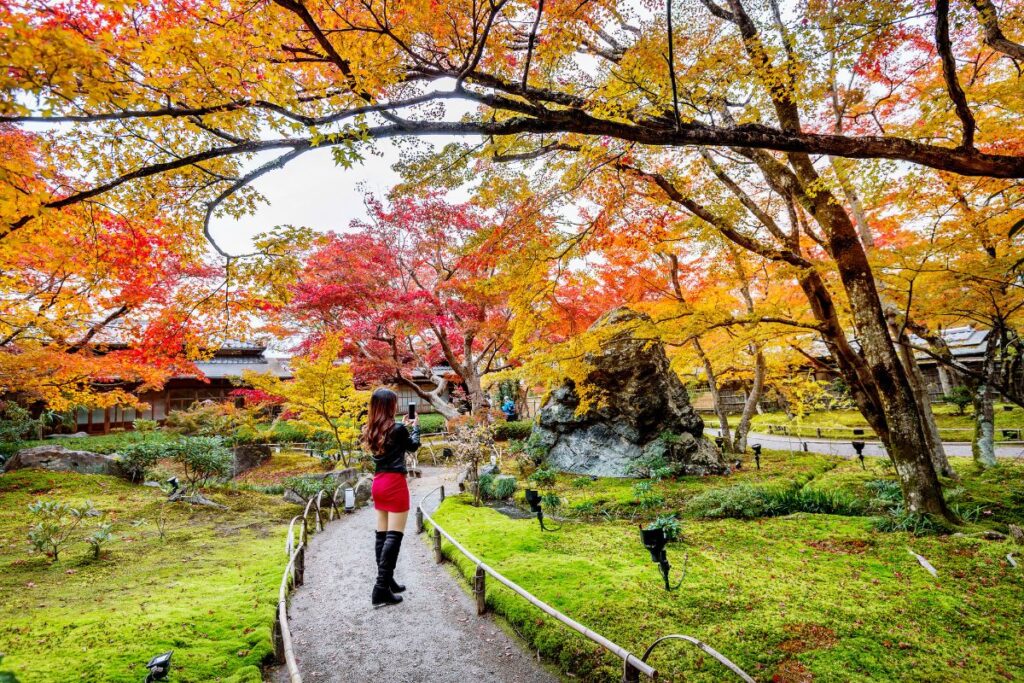
Beautiful Places in Japan Beyond the Tourist Trail
While the classic route covers the essentials, Japan has extraordinarily beautiful places that most travelers miss. Here is a curated list for your Japan tourist guide:
- Shirakawa-go (Gifu Prefecture): UNESCO World Heritage village of thatched roof farmhouses gassho-zukuri in the Japanese Alps, which is very magical under snowfall in the wintertime
- Yakushima Island (Kagoshima): Ancient cedar forests (some trees over 2,000 years old) that inspired Studio Ghibli’s Princess Mononoke
- Kenroku-en Garden, Kanazawa: One of Japan’s three great landscape gardens, stunning in every season
- Matsumoto Castle (Nagano): Japan’s oldest surviving original castle (1590s), nicknamed “Crow Castle” for its dramatic black exterior
- Oirase Gorge (Aomori): A pristine mountain stream trail through ancient beech forest, a hidden gem in Tohoku
- Miyajima Island: The “floating” torii gate of Itsukushima Shrine is one of Japan’s most iconic images
- Jigokudani Monkey Park (Nagano): Wild Japanese macaques bathing in natural hot springs during winter, a spectacle found nowhere else on Earth
- Naoshima Island (Kagawa): A tiny island that turned out to be an internationally recognized contemporary art destination as well as a home of Tadao Ando’s famous Benesse House museum.
Packing List for Japan: What to Bring
A smart packing list is the final element of any thorough Japan travel tips and planning section. Japan’s climate varies enormously by region and season, so layer accordingly.
Essential for all seasons:
- Good walking shoes (you’ll walk 10–20 kilometers daily)
- A foldable umbrella or a raincoat
- Portable power bank for a battery pack
- Universal travel adapter (Japan uses Type A/B sockets, 100V, and most modern electronics are compatible with it)
- Small backpack for carrying out explorations during the day
- Tissues for your pocket (some public restrooms don’t have paper)
- Hand sanitizer (very welcome in Japan’s culturally cleanliness-driven environment)
- Written version of your hotel addresses in Japanese (very important for getting taxis to take you to your destination)
Season-specific:
- Spring/Autumn: Layered clothing, light jacket
- Summer: Light breathable cotton, UV protection, cooling towel
- Winter: Thermal layers, heavy coat, gloves, waterproof boots (especially for Hokkaido)
For Indian travelers specifically:
- Ready-to-eat Indian meal pouches (for vegetarian/Jain backup options in rural areas)
- Diarrhea medication (dietary shift from Indian to Japanese food can cause temporary digestive adjustment)
- Sunscreen SPF 50+ (Japanese UV index is high in summer)
Responsible Travel in Japan: Tackling Overtourism
Japan’s amazing success in getting tourists has created some real problems. Yamanashi Prefecture put a daily limit of 4,000 climbers on Mount Fuji and brought in a ¥2,000 fee for the Yoshida Trail.
A mesh fence was put up beside a Lawson convenience store in Fujikawaguchiko to stop a very Instagram-popular view of Mount Fuji because there were complaints about disturbances caused by tourists. The city of Kyoto has restrictions in the Gion geisha district, not allowing photography on certain private streets.
As a visitor, one can do their part by:
- Getting to popular attractions early in the morning or late in the afternoon so that they don’t miss out on crowded peak hours
- Exploring local cities like Kanazawa, Matsumoto, and Matsuyama instead of only going on the Golden Route all day
- Being considerate of the temple and shrine photo restrictions
- Complying with garbage disposal rules (Japan does not have any public waste bins– carry a little bag to hold your garbage)
- Booking local tours through small operators rather than huge tour companies.
Japan’s government has set a target of 60 million visitors and ¥15 trillion in spending by 2030, as reported by the Japan Tourism Agency. Managing this growth sustainably is both a policy challenge and a traveler’s responsibility.
Quick Reference: Japan Travel Essentials
| Category | Key Info |
| Currency | Japanese Yen (JPY) |
| Exchange Rate (2025) | ₹1 ≈ ¥1.8 |
| Visa for Indians | Required (VFS Global, ~5–7 days processing) |
| Best Time to Visit | March–April (sakura) or Nov (foliage) |
| Language | Japanese (English signage at major stations) |
| Emergency Number | 110 (Police), 119 (Fire/Ambulance) |
| Power Plugs | Type A/B, 100V |
| Time Zone | JST (UTC+9), 3.5 hours ahead of IST |
| Internet | Tourist SIM from airport / eSIM recommended |
| Tipping | Never — considered rude |
| Cash or Card | Both needed; carry ¥10,000–15,000 cash daily |
| JR Pass (7-day) | ₹20,000–₹25,000, worth it for multi-city travel |
Final Word: Why Your Japan Trip Will Change You
Going to Japan is different from visiting another country. Japan isn’t just about the places you visit; it provides a way of perceiving the world that challenges all that we believe to be efficient concerning beauty, food, hospitality, and public life.
The 9:03 train is arriving and leaving at 9:03. The convenience store sandwich is somehow better than most restaurant meals you have had at home. The 14th-century temple garden looks perfect in a manner you can’t explain. The kind stranger who sees you lost and walks with you for ten minutes to ensure you get to the right exit.
Japan rewards those who plan carefully, stay curious, and show genuine respect towards an ever-refining culture that has been there for many centuries now. This Japan travel guide provides a basis. The moments, flavors, and discoveries you add to this will be yours alone.
Start making arrangements for your trip to Japan right now. The cherry blossoms won’t wait.
Frequently Asked Questions
How to Travel in Japan?
Going to Japan is different from visiting another country. Japan isn’t just about the places you visit; it provides a way of perceiving the world that challenges all that we believe to be efficient concerning beauty, food, hospitality, and public life.
The 9:03 train is arriving and leaving at 9:03. The convenience store sandwich is somehow better than most restaurant meals you have had at home. The 14th-century temple garden looks perfect in a manner you can’t explain. The kind stranger who sees you lost and walks with you for ten minutes to ensure you get to the right exit.
Japan rewards those who plan carefully, stay curious, and show genuine respect towards an ever-refining culture that has been there for many centuries now. This Japan travel guide provides a basis. The moments, flavors, and discoveries you add to this will be yours alone.
Start making arrangements for your journey to Japan right now. The cherry blossoms won’t wait.
How to Go to Japan From India?
Indian travelers can fly into Japan using direct options from Delhi, which are offered by carriers like Air India, JAL, and ANA, while they have other choices that involve one stopover en route from Mumbai, Bangalore, Chennai, and Hyderabad with stops in places such as Singapore, Dubai, or Bangkok.
The duration of the flight from Delhi to Japan on a non-stop journey would take you around 7-8 hours, but it may be 10-14 hours if there is a layover. For an individual who is an Indian citizen, he/she must have a Japan tourist visa, which should be obtained through a VFS Global center before he/she travels there.
The approximate fare for a round-trip flight is priced at ₹40,000-₹90,000, depending on the season, as well as if your booking is done in advance.
What Are the Key Destinations & Regions in Japan?
Japan’s most visited destinations are concentrated in three core regions: Kanto (Tokyo, Nikko, Hakone, Mount Fuji), Kansai/Kinki (Kyoto, Osaka, Nara, Hiroshima), and Hokkaido (Sapporo, Hokkaido nature). Secondary destinations growing in popularity include Tohoku (Sendai, Matsushima), Shikoku (Matsuyama, Iya Valley), Kyushu (Fukuoka, Nagasaki, Kagoshima), and the Okinawa islands.
According to the Japan Tourism Agency, approximately 70% of all foreign visitors in 2024 stayed within the three major metropolitan corridors — Tokyo, Osaka, and Nagoya — while 30% explored regional areas.
Is $5,000 Enough for a Trip to Japan?
Yes, $5,000 (approximately Rs. 7,50,000 at the current 2025 exchange rates) is really more than enough money for a 10-14 day journey in Japan.
On normal budgeted travels that are very standard – having comfortable accommodation, traveling by Shinkansen, having a meal in a good restaurant, and paying for every attraction available for visiting, it may cost you about $2,000-$3,500 on a 10-day trip from India, including your flight back home for one individual traveler.
A $5,000 personal budget per person, in this case, will be good enough so that you can have some business class flight, stay at an inn called ryokan, take excellent food, get covered under JR pass, and also have enough money left for shopping with some extra to spare.
How Much Does a Trip to Japan Cost Realistically?
A realistic cost estimate for a 7-day trip to Japan from India (per person, all-inclusive):
- Budget: ₹89,000–₹1,10,000
- Mid-range: ₹1,20,000–₹1,80,000
- Premium/comfortable: ₹2,00,000–₹2,50,000
- Luxury: ₹3,00,000+
Generally, the biggest expense is usually flights (₹40,000–₹90,000). Following flights, accommodation is probably going to be the most variable cost.
By planning smartly, like booking early and using IC cards, eating from convenience stores for your daily meal, and using a JR pass for seven days in traveling between cities, you may get a nice mid-range trip costing less than ₹1,50,000 for one person.
What Is the Best General Travel Guide Book for Japan?
To those travelers who would prefer to use materials that are offline during their travels, it is highly recommended to take a look at the following Japan travel guidebooks:
- Lonely Planet Japan — great overall for beginners, with very detailed information
- Rough Guide to Japan — strong cultural insights and recommendations that take you away from tourist crowds
- DK Eyewitness Japan — an outstanding visual material, including maps and pictures of architectural features
- Rick Steves Japan — practical and efficient, ideal for individual American travelers
- Japan: The Bradt Travel Guide — great for diving deep into exploring regions.
For digital alternatives, the Japan National Tourism Organization (JNTO) official website and the Japan Official Travel App provide frequently updated, free travel information in multiple languages, including English.