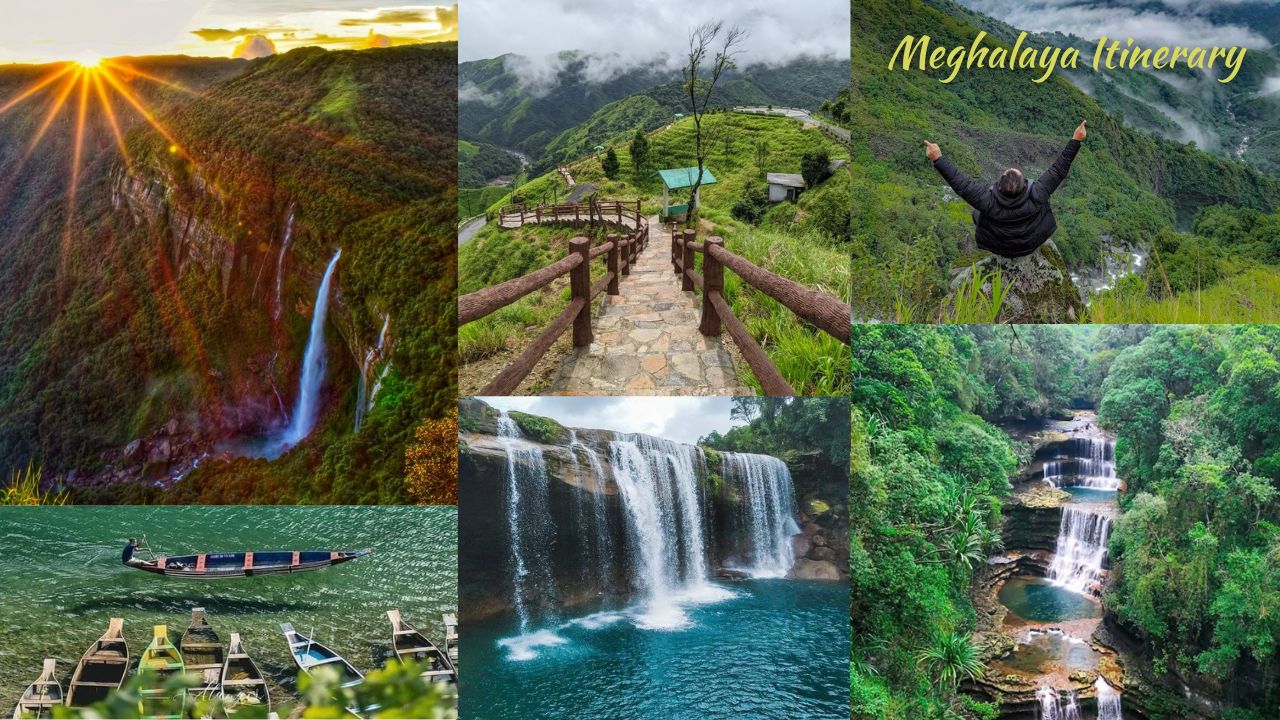
Meghalaya tour packages offers a perfect 7-day Meghalaya journey through the stunning scenery of the ‘Abode of Clouds’ including natural attractions like Shillong, Cherrapunji, Dawki, Mawlynnong, Jowai and more. This Meghalaya itinerary can be completely customized to your taste, whether you want to explore famous waterfalls, tranquil lakes, living root bridges or unique hidden gems, all spread over 6 nights and 7 days of intensive travel.
Designed to give you a memorable and well-deserved holiday, this meghalaya itinerary for 7 days starts with a welcome in Guwahati and a scenic drive through the Emerald Hills, followed by carefully selected accommodation and flexible sightseeing each day. From hiking to the iconic double-decker Living Root Bridge and sailing on the transparent Umngot River at Dawki, this tour is a blend of nature, culture and adventure at every stage of your journey across Meghalaya.
We understand that having the perfect vacation requires more than just sightseeing. Therefore, this guide not only presents a customized meghalaya itinerary but also shows you key logistical elements, creates the best budget planning for you, the best season to visit, and essential travel tips. Whether you choose one of the pre-designed meghalaya tour packages or prefer to carve your own path, this 7-day, 6-night tour is your blueprint for experiencing the best of this natural state.
Table of Contents
ToggleThe Perfect 7-Day Meghalaya Itinerary: An Overview of the Trip Plan
Executing a memorable trip to Meghalaya hinges on a green and geographically realistic direction. Trying to squeeze too many sports into one point can lead to rushed stories and exhaustion on the winding hill roads. Our meghalaya itinerary for 7 days is balanced, allowing adequate time for hiking, waterfall exploration, caving, and soaking up the local tradition. It’s the closing meghalaya ride plan by road that minimizes riding time and maximizes sightseeing.
This meghalaya itinerary for 7 days specializes in the core circuit:
Shillong (The Capital), Cherrapunji (Sohra – the wettest place on Earth), and the border regions of Mawlynnong and Dawki. We’ve additionally blanketed a rewarding off-beat vacation spot, krangsuri falls inside the Jaintia Hills, that is increasingly becoming one of the most romantic meghalaya places.
Day | Itinerary Focus | Overnight Stay | Major Destinations & Waterfalls |
Day 1 | Arrival in Guwahati (GHY) and Transfer to Shillong | Shillong | Umiam Lake (Barapani), Local Shillong Sightseeing |
Day 2 | Exploring Shillong & The East Khasi Hills | Shillong | Laitlum Canyon, Shillong Peak, Elephant Falls |
Day 3 | The Journey to Cherrapunji (Sohra) and Waterfalls Galore | Cherrapunji | Mawkdok Valley, Nohkalikai Falls, Seven Sisters Falls |
Day 4 | The Living Root Bridge Trek & Caving Adventure | Cherrapunji | Double Decker Living Root Bridge (Nongriat), Mawsmai Caves |
Day 5 | Cherrapunji to Mawlynnong & Dawki | Dawki/Shnongpdeng | Mawlynnong Village, Umngot River Boating (Dawki), Riwai Single Root Bridge |
Day 6 | Jaintia Hills Day Trip: Krangsuri Falls and Nartiang Monoliths | Shillong | Krangsuri Falls, Phe Phe Falls, Nartiang Monoliths |
Day 7 | Departure Day: Shillong to Guwahati (GHY) | N/A | Local market exploration, Final Drive to Guwahati |
This well-rounded structure serves as the foundation for your meghalaya tour plan, combining natural wonders, adventure, and cultural immersion.
Read More – 11 Best Places To Travel In January
Day-by-Day Breakdown: Your Durable Meghalaya Itinerary (7 Days)
Day 1: Arrival in Guwahati & The Scenic Drive to Shillong (The Scotland of the East)
Your trip to Meghalaya actually starts in Guwahati, Assam. Guwahati is the closest big city with an airport and a railway station. With domestic travel rising steadily in India, as highlighted by McKinsey’s analysis of global tourism recovery, this corridor has become one of the most frequented gateways to the Northeast. Once you arrive, you will meet your driver or pick up your self-drive car for the 3–4 hour journey to Shillong, the capital of Meghalaya.
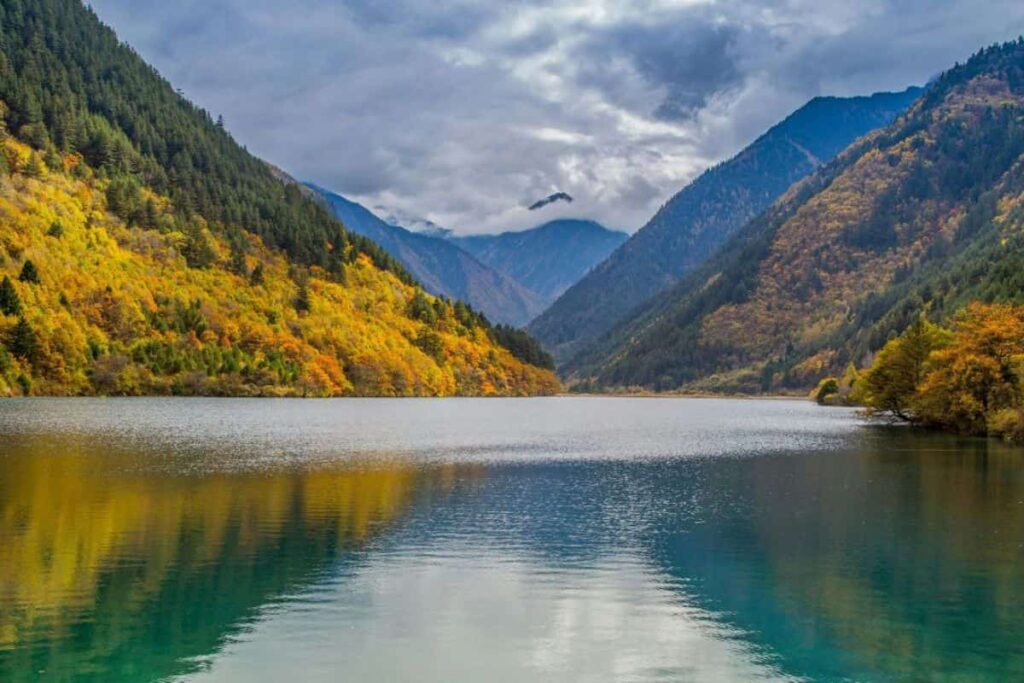
The drive is a treat in itself. As you go up into the Khasi Hills, the view changes from Assam’s flat plains to Meghalaya’s cool, winding roads lined with pine trees. Your first must-see stop, and one of the best ways to begin your Meghalaya trip, is Umiam Lake, also known as Barapani.
Umiam Lake (Barapani): A Serene Beginning
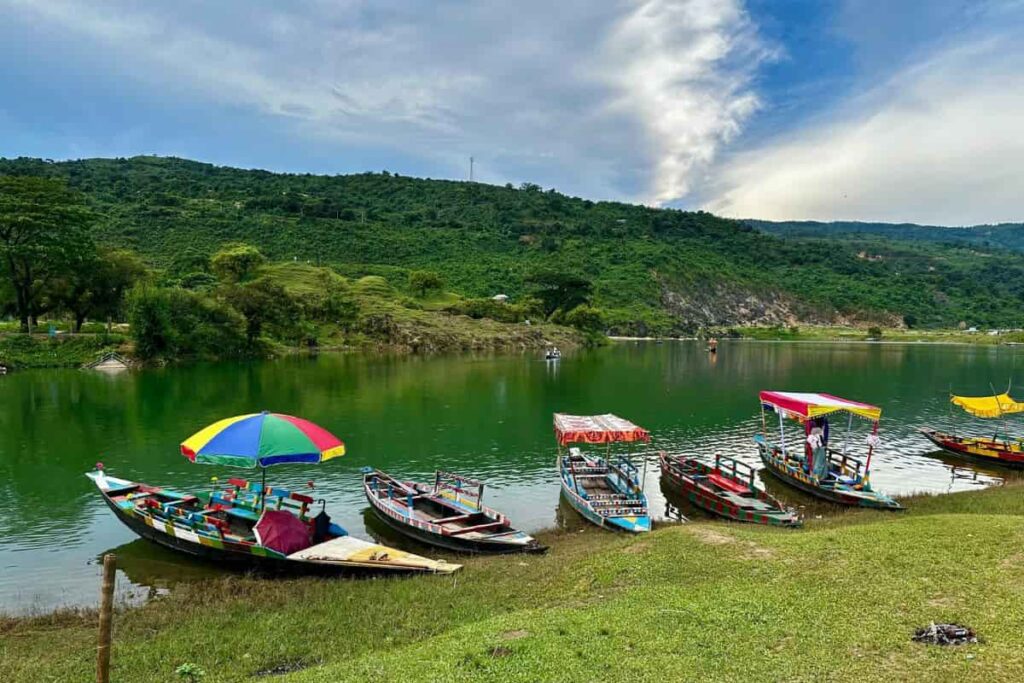
Umiam Lake is a big & calm lake surrounded by green hills. It’s a great place to spend quality time with your partner, friend, and maybe enjoy a boat ride. The quiet water and peaceful nature make you feel relaxed, setting the perfect mood for your entire trip to Meghalaya. The lake is so huge that it looks like a small sea. It’s the perfect spot to take your first beautiful photos of Meghalaya.
Shillong Check-in and Evening Exploration
After immersing yourself in the natural beauty of Umiam Lake, make your way to your pre-booked hotel or luxury homestay in Shillong. Once you’ve completed the check-in process and settled into your accommodation, dedicate your evening to exploring this charming hill station. Police Bazaar (PB) serves as the sweet commercial heart of Shillong, where visitors can savor delicious street food, browse authentic local handicrafts, and experience the energetic atmosphere of traditional markets. This vibrant area offers the perfect opportunity to witness and understand the local way of life firsthand. Known widely as the “Scotland of the East,” Shillong’s city center is an essential destination in any comprehensive meghalaya tour itinerary, making it a must-visit location for travelers seeking an authentic Northeast India experience.
Tip: Use the evening to purchase any last-minute trekking essentials, as the upcoming days will involve significant walking.
Day 2: Shillong Sightseeing and The Majesty of Laitlum Canyon
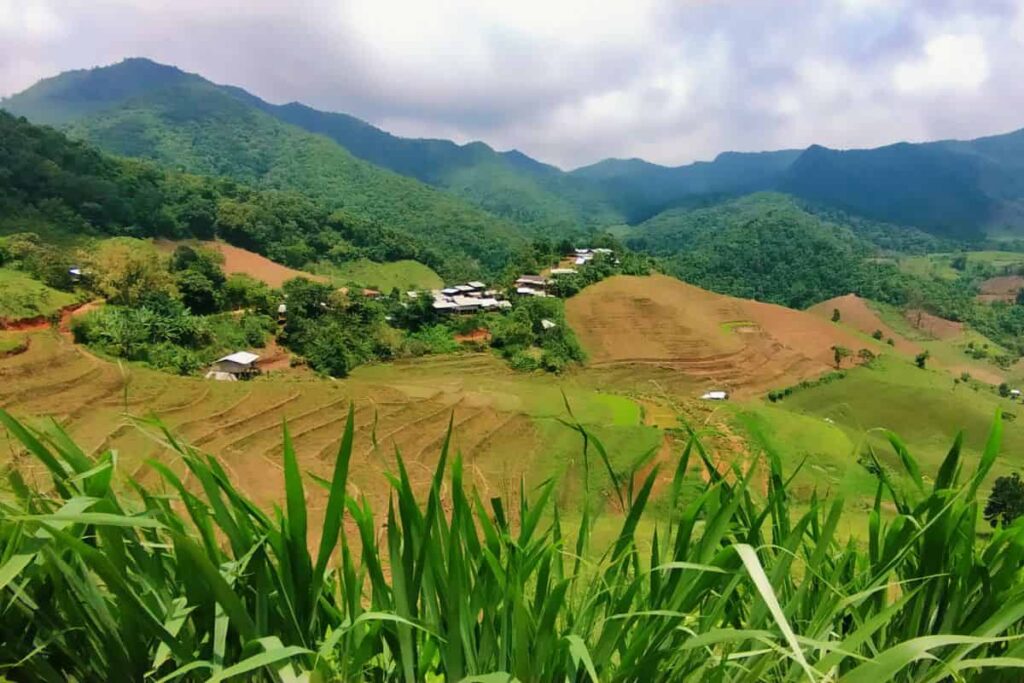
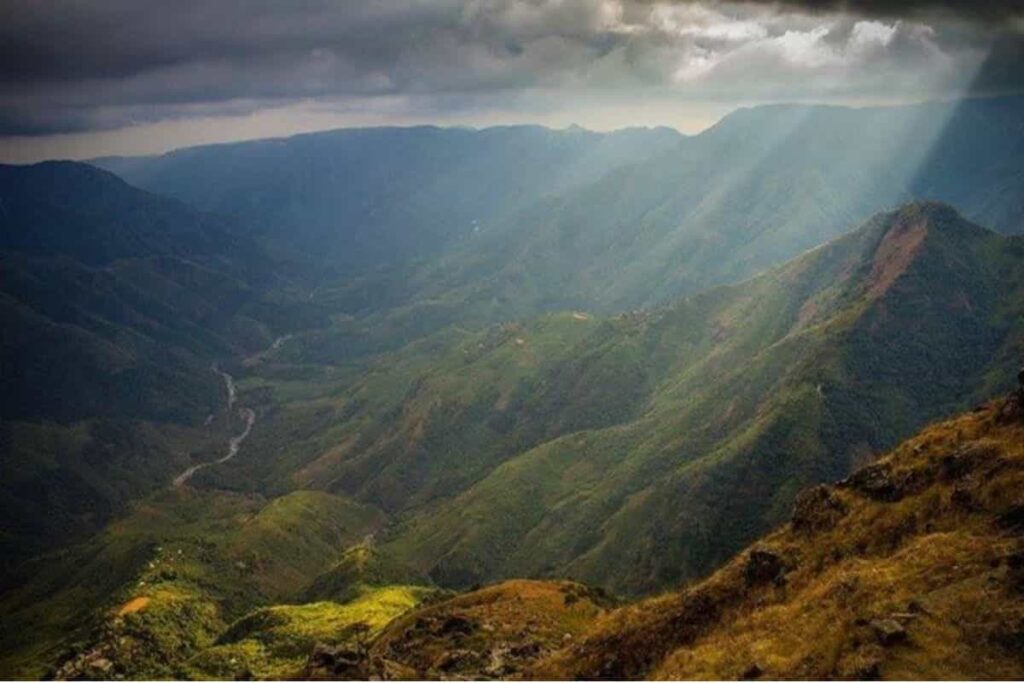
Day 2 of your meghalaya itinerary for 7 days is dedicated to Shillong’s local sights and one of its most awe-inspiring viewpoints. This day allows you to acclimatize further and explore the cultural and historical meghalaya places before diving into the adventure tourism deep in the hills.
Morning: Panoramic Views and Historical Insights
Start the day with a visit to Shillong Peak, the highest point in the city, offering a 360-degree panoramic vista of the entire city, the surrounding valleys, and sometimes, even a glimpse of the distant Himalayas (weather permitting). The Indian Air Force base located here ensures a safe and regulated viewing experience.
Next, a trip to Elephant Falls is essential. Named by the British due to a rock resembling an elephant near the falls (destroyed in an earthquake), this tiered waterfall is easily accessible via a short walking trail. The three separate sections of the falls, accessible by a series of steps, offer mesmerizing photo opportunities and illustrate the state’s abundance of waterfalls.
Afternoon: The Grandeur of Laitlum Canyon
The main attraction of the day is the mighty Laitlum Canyon. Located about an hour’s drive from Shillong city, Laitlum, meaning “The End of Hills” in the local Khasi language, lives up to its name. The sheer drop into the gorge is dramatic, with layered hills stretching to the horizon. As global travellers increasingly seek remote, nature-centric experiences, a shift highlighted in McKinsey’s tourism insights destinations like Laitlum have begun gaining well-deserved attention. Laitlum often appears shrouded in mist, creating an ethereal, almost otherworldly experience.
Spend a significant amount of time here, simply watching the clouds roll through the canyons. This viewpoint is increasingly featured in meghalaya trip plan guides for good reason; it’s an epic spectacle of nature’s scale.
Also Read: Best Ever North India Tour Plan Itinerary 2025-2026
Day 3: Shillong to Cherrapunji (Sohra) - Chasing the Legendary Waterfalls
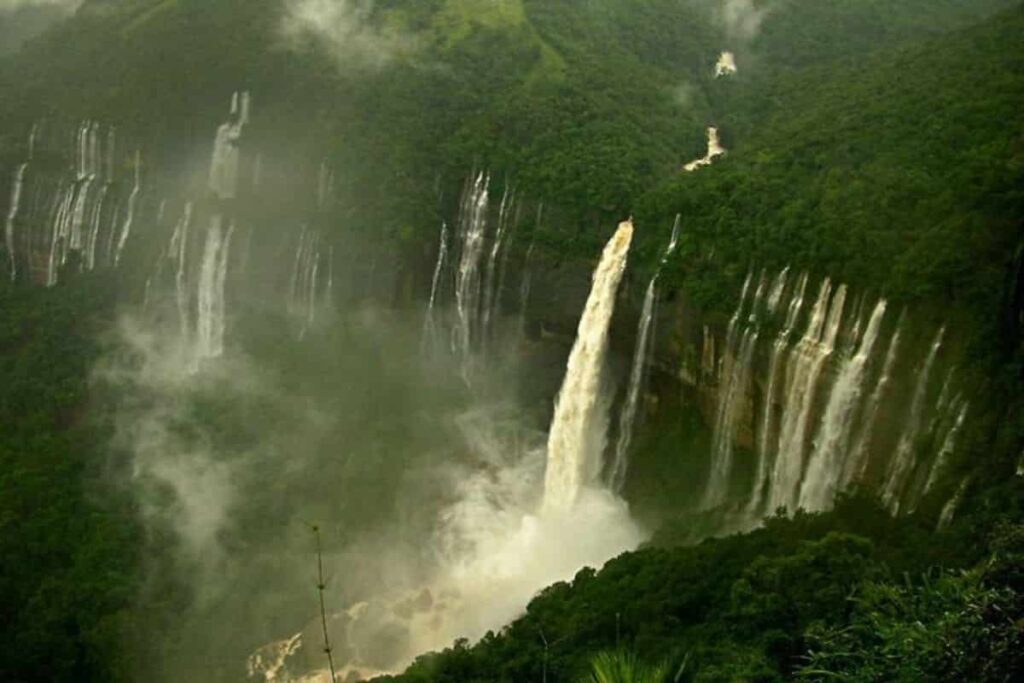
Today, your meghalaya itinerary takes you south to Cherrapunji, locally known as Sohra, famous for its record-breaking rainfall and its magnificent waterfalls. The drive is short (about 2-3 hours), allowing you an entire day for sightseeing.
The Gateway to Sohra: Mawkdok Dympep Valley
Your first stop en route is the Mawkdok Dympep Valley Viewpoint. This deep gorge is often the backdrop for spectacular mist-covered scenery and is the official entry point to the Cherrapunji circuit. For the adventurous, a thrilling zip-lining experience across the valley is available here, offering a unique perspective of the landscape.
The Magnificent Triplets of Cherrapunji
Cherrapunji is the heartland of waterfalls, and you will spend the day marveling at the sheer volume and height of these natural wonders.
- Nohkalikai Falls: This is the tallest plunge waterfall in India, dropping from a height of 1,115 feet. The story behind its name (Legend of Ka Likai) adds a layer of solemnity to its magnificent power. During the monsoon and post-monsoon months, the fall is a torrential spectacle, crashing into a deep green-to-turquoise pool below. This is an essential visit for any comprehensive meghalaya itinerary for 7 days.
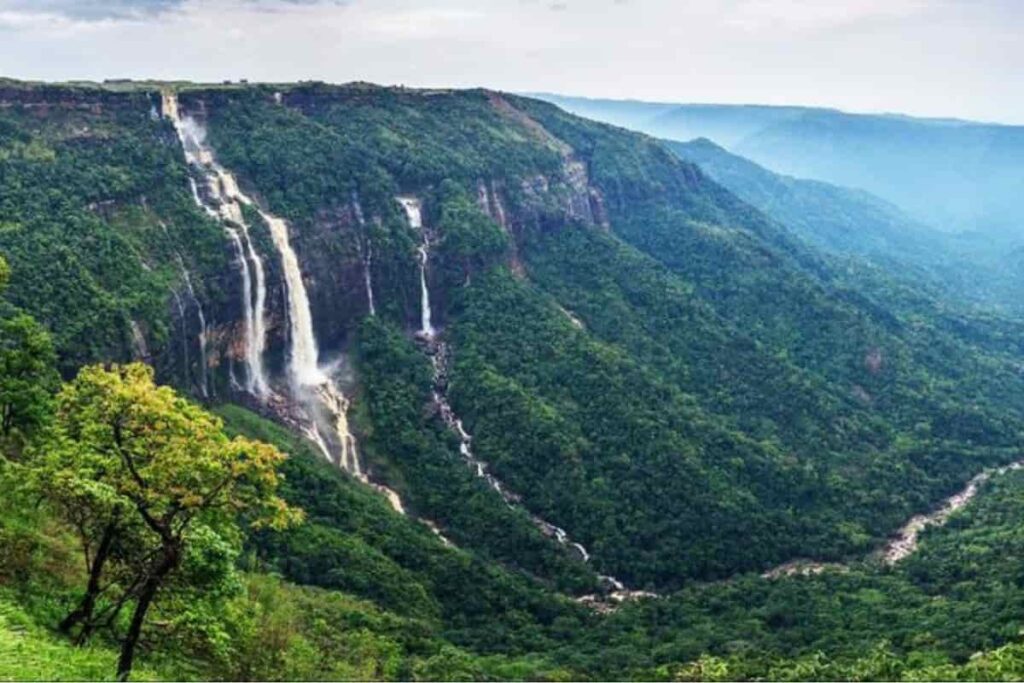
- Nohsngithiang Falls (Seven Sisters Falls): True to its name, this seven-segmented waterfall plunges over a tall limestone cliff, especially mesmerizing when viewed from the Mawsmai Cave viewpoint. The falls are particularly impressive during the high rain seasons.
- Dainthlen Falls: Known for its broad, fierce flow, this waterfall also has a local legend associated with a large serpent (Thlen) that was killed here. The water cascades over natural rock formations, creating a unique texture and visual appeal.
By evening, check into your accommodation in Cherrapunji. While looking into accommodations, remember that Cherrapunji offers charming resorts and homestays that prioritize views of the surrounding valleys.
Day 4: Trekking to Nongriat: The Double Decker Living Root Bridge and Natural Pools
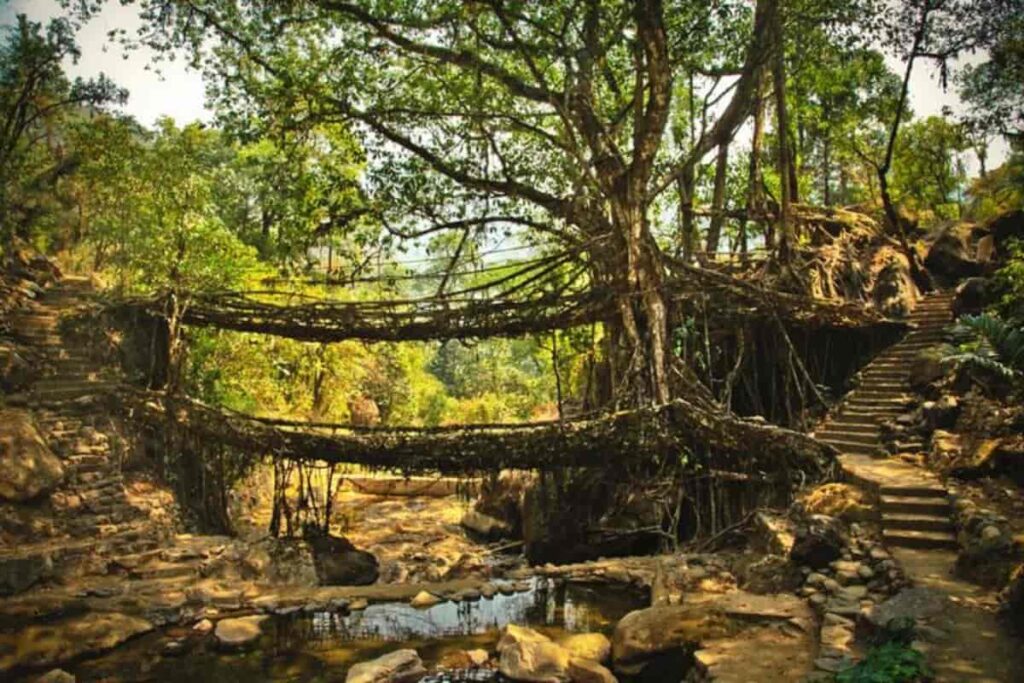
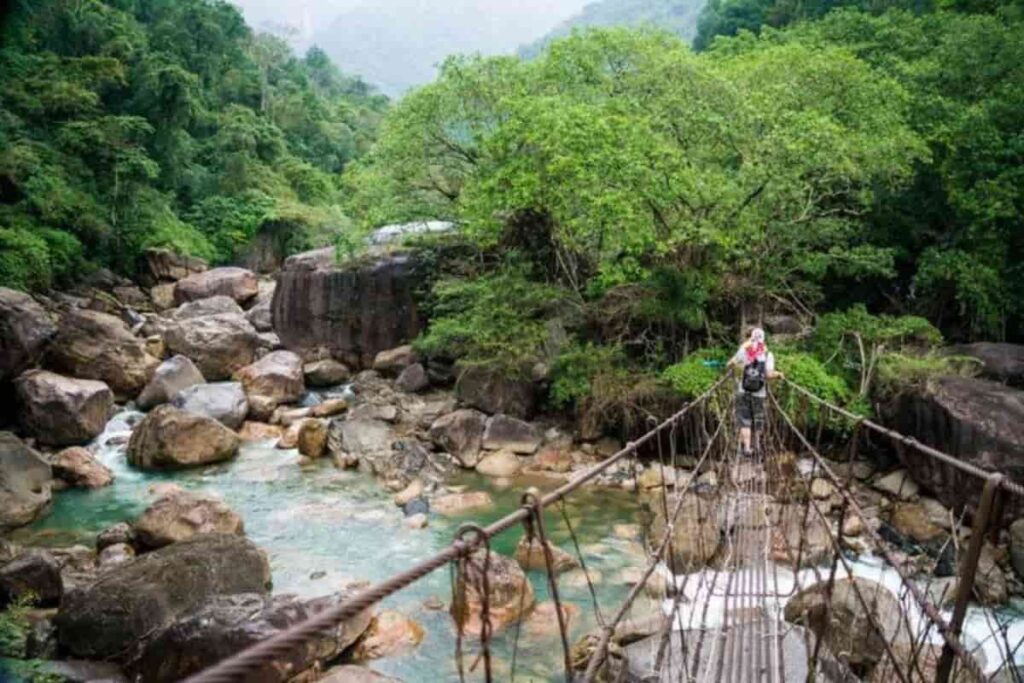
This is the adventure day of your meghalaya tour plan. Prepare for an arduous but incredibly rewarding trek to the famous Double Decker Living Root Bridge (Jingkieng Nongriat).
The Living Root Bridges: A Bio-Engineered Marvel
The Khasi tribe, with their ingenious bioengineering skills, has been training the roots of the Ficus elastica tree to make natural, functional bridges over rivers and streams for centuries. The double-decker bridge at Nongriat is the greatest achievement of this practice.
The tour begins in the village of Tyrna, featuring a descent of approximately 3,500 steps. The one-way journey takes about 1.5 to 2 hours (descent is easy, ascent is challenging). It’s a tough hike, but the view of the huge, intertwined roots that form two levels above the rushing stream is worth every drop of sweat. The natural swimming pools near the bridge, with their brilliant turquoise water, offer a refreshing dip.
Tip for the Meghalaya itinerary: Start early (by 7:00 AM) to beat the heat and the crowds. Carry plenty of water and wear comfortable, sturdy trekking shoes.
Caving in Cherrapunji
After returning from the trek in the afternoon (a highlight of any trip to meghalaya), you can visit one of Cherrapunji’s famous limestone cave systems:
- Mawsmai Cave: This is the most accessible cave, well-lit, and relatively easy to navigate, featuring stunning stalactite and stalagmite formations.
- Arwah Cave: A less-crowded alternative that is longer, featuring incredible marine fossils embedded in the limestone walls, offering a peek into Meghalaya’s geological past.
This day is a testament to the raw adventure that defines a meghalaya trip plan.
Day 5: Cherrapunji to Mawlynnong & The Crystal Clear Waters of Dawki
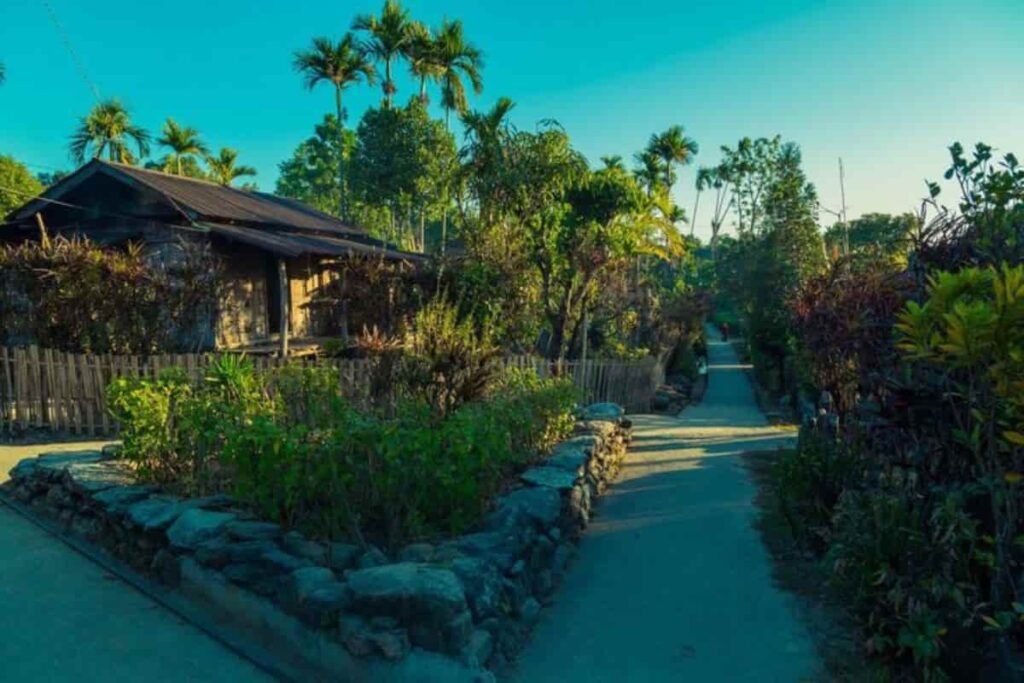
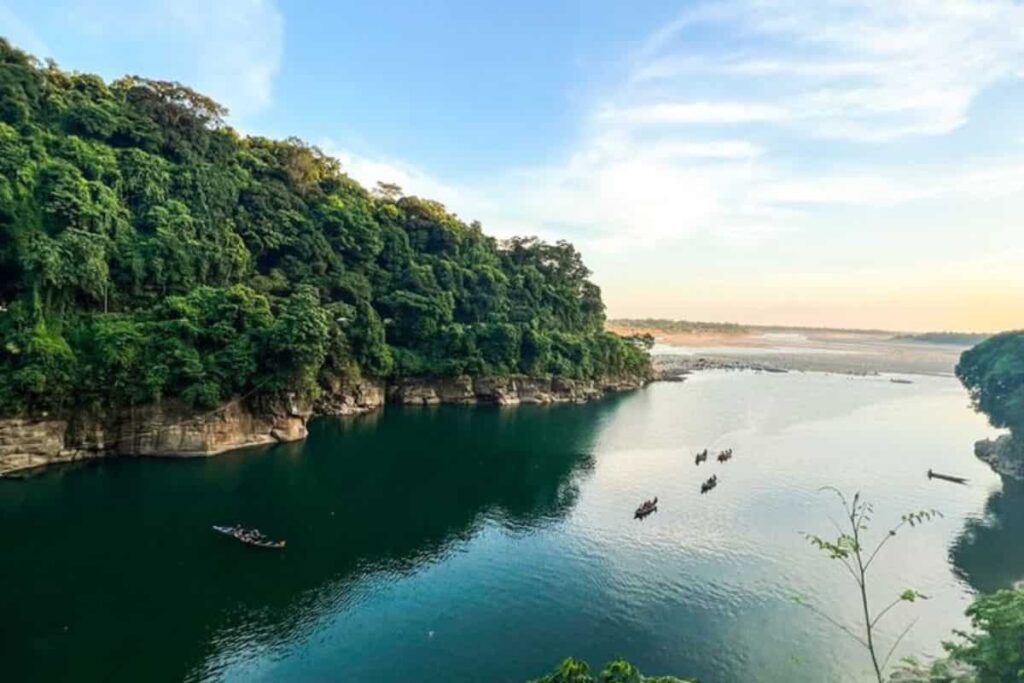
Day 5 involves traveling east from Cherrapunji towards the international border, combining cultural exploration with sheer natural beauty. Mawlynnong and Dawki are two of the most popular meghalaya places.
Mawlynnong: Asia’s Cleanest Village
Start the day riding to Mawlynnong, famously diagnosed as “Asia’s Cleanest Village.” This small, picturesque agreement is a version of community-based eco-tourism and cleanliness. Take a gentle stroll through the village, respect the well-manicured gardens, and observe the green bamboo dustbins used by the neighborhood Khasi network, whose society is matrilineal.
While here, visit the nohwet single-decker Living Root Bridge close by, which is simpler to get right of entry to than the double-decker, and the strange balancing rock (Roca Sacra), wherein a huge boulder balances precariously on a smaller stone pedestal.
Dawki and the Umngot River
The final destination for the day is Dawki, a town nestled right on the India-Bangladesh border. The primary attraction here is the Umngot River flowing through Shnongpdeng, a few kilometers upstream from Dawki town.
The Umngot River is famed for having some of the cleanest, most transparent waters in Asia. During the non-monsoon months (especially late October to March), the water is so clear that boats appear to float in the air, with the riverbed clearly visible beneath. Boating on the Umngot is an absolute must-do activity on your meghalaya itinerary. You also get a chance to see the historic Dawki Suspension Bridge and the Indo-Bangladesh border post.
Spend the night either camping by the river in Shnongpdeng for a raw experience or in a homestay in Mawlynnong/Dawki. This overnight stay is often part of the best-selling meghalaya tour package 7 days.
Day 6: Dawki/Mawlynnong to Jowai & The Azure Krangsuri Waterfall
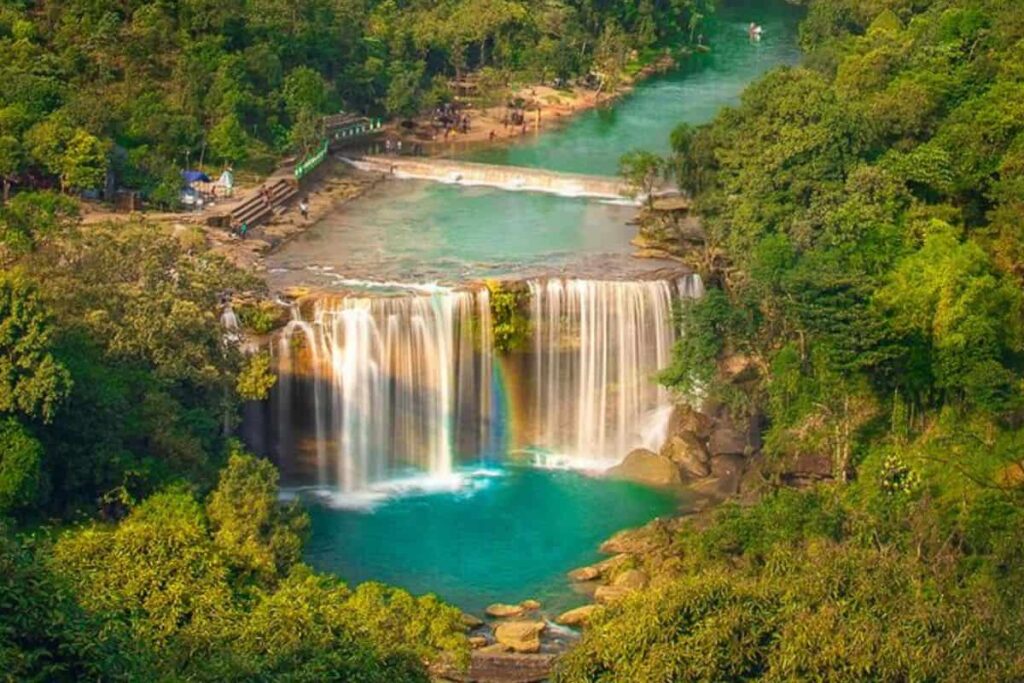
After the border experience, Day 6 takes you to the Jaintia Hills district, focusing on some of the lesser-explored, yet equally stunning, meghalaya places. This loop will culminate in a return to Shillong for your final night.
Krangsuri Waterfall: The Blue Lagoon
The journey to Krangsuri Falls is well worth the drive. Located near Jowai, Krangsuri is one of Meghalaya’s most photogenic waterfalls. It descends in multiple streams into a breathtakingly beautiful, deep azure pool.
The vibrant blue color of the pool is often attributed to the mineral content in the water and is a spectacular sight. A short, well-maintained pathway leads down to the viewing area. Swimming is often permitted here with life jackets, making it a perfect spot for relaxation and adventure.
Nartiang Monoliths: A Glimpse into the Past
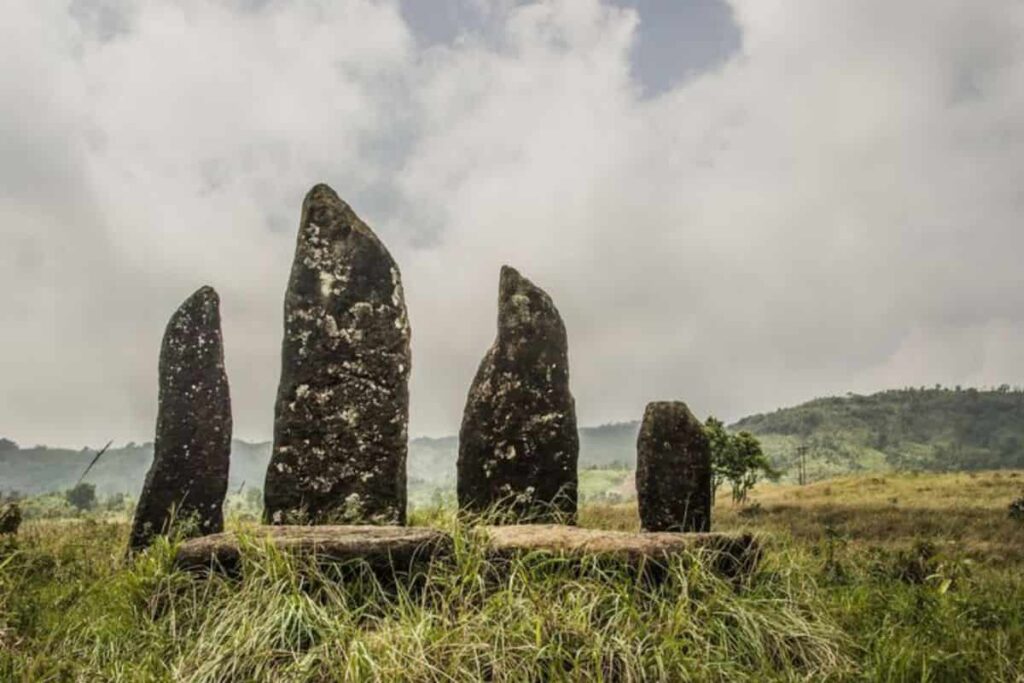
En route back, stop at the Nartiang Monoliths. Located in the Jaintia Hills, this site holds the largest collection of monoliths (megalithic stones) in one area in Meghalaya. Erected by the Jaintia rulers in the past, these ancient stones, some towering over 20 feet, are a historical and cultural treasure, offering a fascinating insight into the Jaintia kingdom’s history and practices.
The journey back to Shillong from Jowai marks the completion of the major circuit of your comprehensive meghalaya trip plan. This extensive coverage of the state makes this a highly rewarding meghalaya itinerary for 7 days.
Also Read: 8 Great Places to Visit in December in 2025
Day 7: Return to Guwahati & Departure: Wrapping up Your Meghalaya Trip
The final day of your meghalaya itinerary is dedicated to the transfer back to Guwahati for your onward journey.
If your flight/train is in the late afternoon or evening, you have time for some final activities in Shillong:
- Wards Lake: A beautiful artificial lake with a wooden bridge in the center, ideal for a morning paddle-boat ride.
- Don Bosco Museum: A spectacular seven-story regional museum showcasing the culture and history of the indigenous tribes of Northeast India.
After your final exploration, start the drive back to Guwahati. Always factor in extra time (at least 5-6 hours) for the Shillong-Guwahati transfer, as traffic on the highway, especially around Guwahati, can be unpredictable. This concludes your adventurous trip to meghalaya, leaving you with memories of its cascading waterfalls and mist-covered peaks.
Essential Meghalaya Travel Guide & Planning Your Trip
A successful trip to Meghalaya is not just about visiting the right meghalaya places; it’s about smart planning. Before you finalize your meghalaya itinerary, you must consider logistics, budget, and the best time to go. This segment of the meghalaya travel guide helps you address these crucial factors.
Planning Your Meghalaya Trip Cost: A Detailed Budget Breakdown
Understanding the entire meghalaya trip cost is vital for planning your holiday. Meghalaya can be explored on a backpacker’s budget or enjoyed in luxury. The following estimates are per person, assuming a shared journey (two people traveling together for 6 nights).
Category | Budget Estimate (7 Days) | Mid-Range Estimate (7 Days) | Luxury Estimate (7 Days) |
Accommodation | ₹6,000 – ₹9,000 (Hostels/Homestays) | ₹12,000 – ₹18,000 (Mid-range Hotels/Resorts) | ₹30,000 – ₹50,000+ (Premium Hotels/Boutique Stays) |
Transportation (Car Rental) | ₹10,000 – ₹15,000 (Shared Cab/Self-Drive small car) | ₹18,000 – ₹25,000 (Dedicated Sedan/SUV with driver) | ₹25,000 – ₹35,000 (Luxury SUV with expert local guide/driver) |
Food & Water | ₹4,000 – ₹7,000 (Local Dhaba/Khasi cuisine) | ₹7,000 – ₹10,000 (Casual dining/Cafes) | ₹10,000 – ₹15,000 (Fine dining/Resort meals) |
Activities & Entry Fees | ₹1,500 – ₹2,500 (Basic entry fees, small boat ride) | ₹2,500 – ₹5,000 (Trekking guide, boating, caving fees) | ₹5,000 – ₹8,000 (All-inclusive fees, zip-lining, specialized guide) |
Total Estimated Trip Cost (Excluding Flights) | ₹21,500 – ₹33,500 | ₹39,500 – ₹58,000 | ₹70,000 – ₹108,000+ |
This breakdown demonstrates that Meghalaya is accessible to different budgets. The largest component of the meghalaya trip cost is typically transportation, which is unavoidable due to the distance between the main attractions. Planning your journey with friends or family helps significantly in splitting the cost of the dedicated vehicle, making your meghalaya tour plan more economical.
Choosing the Right Meghalaya Tour Package 7 Days
Many travelers prefer the ease and convenience of pre-booked tours. Several reputable companies offer a dedicated meghalaya tour package, 7 days designed to cover the classic circuit mentioned in this meghalaya itinerary.
Package vs. Independent Trip:
Feature | Meghalaya Tour Package (Recommended for first-timers) | Independent Trip (Meghalaya Trip Plan) |
Logistics | Fully handled (driver, hotels, permits). Stress-free. | Requires significant planning, booking drivers/cars, and hotel reservations. |
Cost | Fixed cost, often covering flights/trains too. Look for a reasonable meghalaya trip package. | Variable cost, prone to unforeseen expenses and last-minute price surges. |
Flexibility | Low. Set the itinerary and timing. | High. Complete freedom to modify the meghalaya itinerary on the spot. |
Local Insight | Often includes local guides who offer valuable insights. | Depends on the traveler’s own research or hiring local guides at each spot. |
When booking one of the specialized meghalaya tour packages, always ensure the inclusions explicitly mention: dedicated AC vehicle for the entire trip, all necessary permits, basic trekking guides (especially for the Double Decker Root Bridge), and quality accomodations in Cherrapunji and Dawki/Mawlynnong. Finding a great meghalaya trip package ensures a smoother, more secure journey, which is why they are so popular.
Accommodations: Finding Your Home in the Abode of Clouds
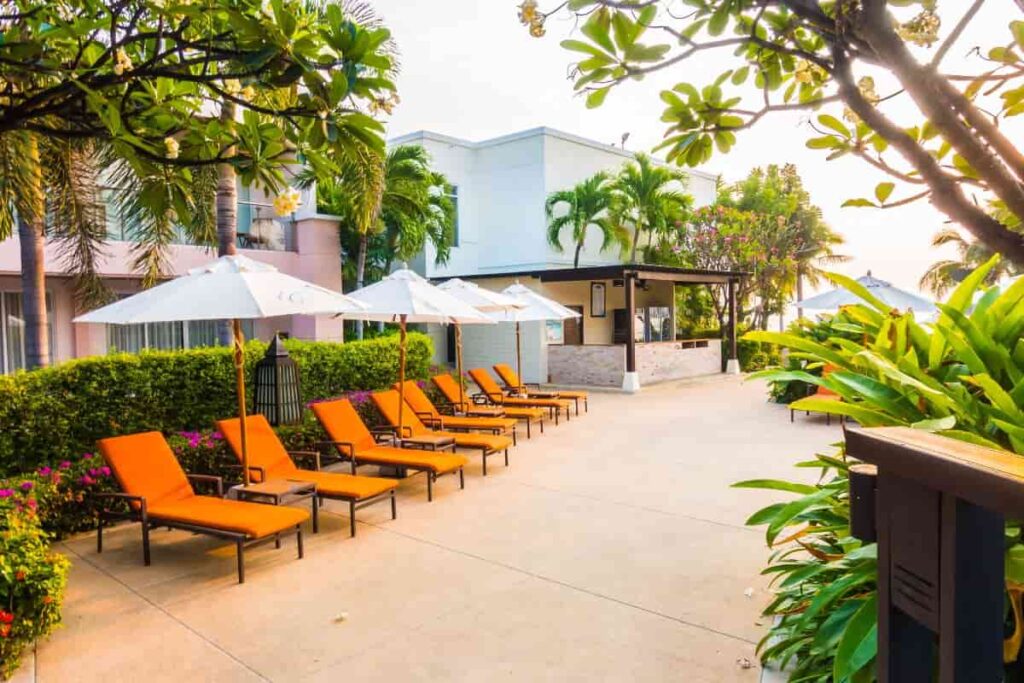
The state offers a range of unique accommodations that cater to every budget and style of travel. Embracing local homestays is highly recommended to fully immerse yourself in the Khasi culture.
- Shillong: Offers everything from budget hotels in police bazaar to luxury properties like Courtyard by Marriott or Vivanta. These provide the highest level of comfort and city access.
- Cherrapunji (Sohra): Focuses on resorts and eco-friendly homestays, often perched on cliffs with spectacular views of the valleys and sometimes Nohkalikai Falls. Jiva Resort and Polo Orchid Resort are popular mid-range to luxury choices.
- Mawlynnong/Dawki: Homestays and riverside camping are the primary options. Staying in a Khasi homestay in Mawlynnong offers an authentic village experience, while camping in Shnongpdeng (Dawki) provides an unparalleled experience of waking up by the crystal-clear Umngot River, a true highlight of any meghalaya itinerary.
Also Read: Affordable Resorts: Top Luxury Resorts In The World
Best Time to Visit Meghalaya: Decoding the Seasons
Meghalaya, as the “Abode of Clouds,” is defined by its seasons. Choosing the best time to visit Meghalaya depends heavily on what you want to experience: thundering waterfalls or crystal-clear river water, and trekking.
Season | Months | Experience/Weather | Recommended for |
Post-Monsoon/Autumn | October – November | Pleasant, clear skies, lush greenery, and waterfalls are still strong. | Best all-round time for photography and clear skies. |
Winter (Peak Season) | December – February | Cool/cold temperatures (4°C to 16°C). Dry weather, clear water in Dawki. | Best for trekking, caving, clear Dawki water, and comfortable sightseeing. Meghalaya in february is especially good for outdoor activities. |
Spring/Summer | March – May | Mild, slightly humid, occasional pre-monsoon showers. Cherry Blossom in November. | Comfortable weather before the heavy rains start. |
Monsoon (Off-Season) | June – September | Heavy, continuous torrential rain. Landscapes are intensely green, and waterfalls are at their peak flow. | Waterfalls in full glory, but trekking is difficult, the Dawki water is muddy, and travel delays are common. |
Meghalaya in February
If trekking and clear water are your priority, it is recommended to visit meghalaya in february. February falls at the peak of the winter season, which means the weather is dry, mild, and ideal for the long journey across the double-decked root bridge. Importantly, the Umngot River at Doki remains crystal clear during the winter months, offering the best chance of seeing the famous “floating boat” illusion. The cold season, while requiring heavy woolen clothing, makes daytime sightseeing incredibly comfortable, making this the best time to visit Meghalaya for those looking for adventure and perfect visibility. We strongly recommend that you plan your meghalaya itinerary to take advantage of this season.
Travel Essentials: Things to Know in Meghalaya Before You Go
Before embarking on your meghalaya itinerary for 7 days, a set of vital practical and cultural guidelines should be understood. This section is your pre-departure checklist, providing crucial things to know in Meghalaya before you go and addressing critical safety concerns.
Precautions and Safety: Ensuring a Smooth Trip to Meghalaya

Safety should be paramount on any adventure, especially on a trip to Meghalaya involving hill roads, waterfalls, and treks. Here are the precautions that must be taken while visiting Meghalaya:
- Monsoon and Road Safety: If traveling during the monsoon (June-September), exercise extreme caution. Landslides are possible, roads become slippery, and visibility drops significantly. Always hire an experienced local driver who knows the roads, and never attempt to self-drive in heavy rain. Even during other seasons, maintain a cautious distance from the edges of waterfalls, as the terrain can be wet and treacherous.
- Trekking Gear and Safety: For treks like the Double Decker Root Bridge, proper gear is non-negotiable. Wear sturdy, high-grip trekking shoes. Carry a personal first-aid kit containing anti-inflammatories, antiseptic cream, and bandages. Always hire a local guide for challenging treks or when venturing into isolated meghalaya places. Guides ensure safety and enrich your experience with local knowledge.
- Financial Security (Cash is King): While Shillong has reliable ATMs and accepts card payments, banking facilities are sparse in Cherrapunji, Dawki, Mawlynnong, and the Jaintia Hills. Carry sufficient cash for homestay payments, entry fees (which are almost always cash-only and small, usually ₹20-50), boat rides, and local eateries. Do not carry all cash in one place; divide it across different bags/pockets for security.
- Permits (Especially for Foreigners): While Indian tourists no longer require an Inner Line Permit (ILP) to visit Meghalaya, foreign nationals must carry valid visas and their passports at all times, especially near the border areas of Dawki, where security checks are frequent. Research specific permits if you plan to visit protected or restricted zones.
- Health and Hydration: The humidity can be high, and trekking is physically demanding. Carry a reusable water bottle and stay hydrated throughout the day. Drink only bottled water or water purified by your accommodation. Carry medication for stomach issues, fever, and common colds, as the weather can change rapidly.
- Respecting Local Norms: Meghalaya has a strong tribal culture. Always ask for permission before taking photographs of people, especially in Mawlynnong or in religious sites like the Nartiang Monoliths. Dress respectfully, particularly when visiting sacred sites, ensuring your behavior aligns with the cultural sensitivity required for a responsible trip to meghalaya.
By taking these precautions, you ensure that your meghalaya itinerary remains focused on adventure and discovery rather than unforeseen challenges.
Important Travel Tips and Cultural Etiquette
Beyond safety, a few key travel tips can significantly enhance your experience in the state. Mastering these cultural and logistical points is part of utilizing a comprehensive meghalaya travel guide.
- Connectivity: Mobile network coverage can be patchy, especially in remote areas like Nongriat, Dawki/Shnongpdeng, and Laitlum. BSNL or Jio generally offer the best coverage, but it’s crucial to download offline maps (Google Maps or Maps.me) of the areas you plan to visit on your meghalaya trip plan.
- Packing Smartly: Given the unpredictable climate, your packing list is vital. Always carry a light rain jacket or poncho, regardless of the season, as sudden showers can occur. Even if you are visiting meghalaya in february, carry layers of warm clothing for the chilly nights. Sturdy trekking shoes and a headlamp/torch (for caves and early morning treks) are essentials for this meghalaya itinerary.
- Local Cuisine Immersion: Khasi cuisine is unique and a must-try part of your experience. Seek out local delicacies like Jadoh (rice and meat dish, often pork), Dohkhlieh (pork salad), and bamboo Shoot Pickle. Eating at local dhabas and homestays is not only cost-effective but also provides the most authentic flavor of the region.
- Embrace the Homestay Culture: While accommodations vary, opting for local homestays, especially in Mawlynnong and Cherrapunji, provides invaluable interaction with the locals, offering insights that no luxury hotel can match. The Khasi people are known for their hospitality, and sharing meals with a local family is a true cultural highlight.
- Start Your Day Early: Daylight hours are shorter in the Northeast, often fading by 5:00 PM in winter. To maximize your sightseeing and minimize driving in the dark, start your day by 7:00 AM. This is particularly important for the days involving long drives or treks, such as Day 4 and Day 6 of this detailed meghalaya itinerary.
Also Read: 13 Best Places to Visit in December in India in 2025
Discovering the Best of Meghalaya: Places to Visit in Meghalaya Beyond the Itinerary
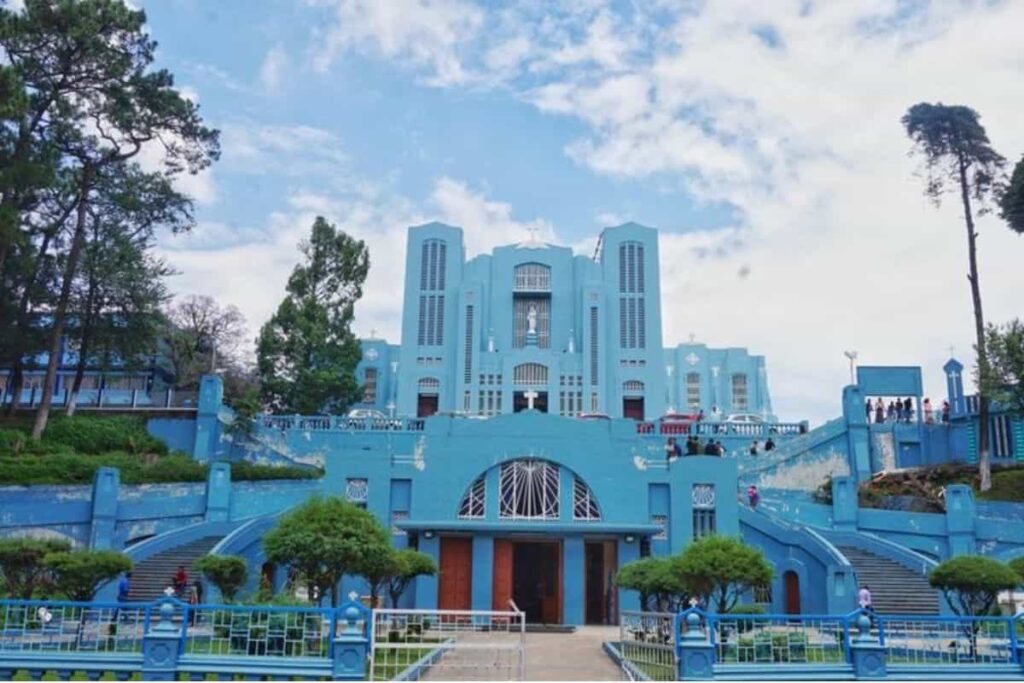
While the 7-day meghalaya itinerary covers the main attractions, the state is vast and holds many more places to visit in meghalaya for those with extra time or an interest in off-beat travel.
For the adventurous, consider:
- Jaintia Hills Deep Dive: Instead of a day trip on Day 6, spend a night in Jowai and explore places like the Tyrshi Falls and Lamin Park.
- Mawphlang Sacred Grove: Located near Shillong, this ancient forest is revered by the local Khasi community. It is a biological treasure trove, and the local belief is that nothing, not even a dead twig, can be taken out of the forest, or misfortune will befall the collector. It’s a powerful lesson in conservation.
- Dawki Adventure Sports: Shnongpdeng, near Dawki, is a hub for adventure sports like kayaking, snorkeling, zip-lining, and even basic scuba diving in the Umngot River, adding a thrilling dimension to your meghalaya trip plan.
By incorporating these additional meghalaya places into your consideration, you can customize your experience, ensuring your meghalaya itinerary for 7 days is perfectly tailored to your interests. Whether you choose a simple meghalaya trip package or organize a complex, multi-day trekking adventure, the Abode of Clouds awaits.
Conclusion: Your Unforgettable Trip to Meghalaya Awaits
Meghalaya is a destination that captivates the soul, blending raw, untamed nature with the deep, fascinating culture of its indigenous tribes. This detailed meghalaya itinerary for 7 days is your roadmap to experiencing the cascading beauty of its waterfalls, the intricate network of its living root bridges, and the serene, crystal-clear waters of the Umngot River.
We have guided you through the most optimal meghalaya tour plan, from the vibrant capital of Shillong to the wettest place on Earth, Cherrapunji, and the cultural heart of Mawlynnong. You now know the essential things to know in Meghalaya before you go, including a realistic breakdown of the meghalaya trip cost and why meghalaya in february offers the perfect climatic window for adventure.
Whether you are seeking the ease of one of the dedicated meghalaya tour packages or the freedom of an independent meghalaya trip plan, the meghalaya itinerary laid out here promises an adventure filled with moments of awe. Now is the time to turn this guide into reality, book your accommodations, secure your transportation, and prepare for an incredible trip to Meghalaya. The clouds are waiting. Start planning your journey today!
Frequently Asked Questions
Visitors need to prioritize avenue safety by hiring skilled nearby drivers, mainly for the duration of the monsoon (June-September), while landslides and slippery conditions are not unusual. For trekking activities, mainly to the Living Root Bridges, wear strong, high-grip shoes and consider a local guide for safety and perception. Financially, always bring sufficient coins as ATMs are scarce outdoors Shillong and most local institutions are cash-handiest. Finally, for fitness and protection, preserve hydration and carry basic first aid, ensuring you appreciate local tribal customs by using in search of permission earlier than photographs.
To maximize your revel in, plan to begin your sightseeing day early (around 7:00 AM) as the sun sets quickly in the Northeast, minimizing dark road journey. Ensure you download offline maps or just take some screenshots of maps. Essential packing should include a light rain jacket or poncho, irrespective of the season, in conjunction with layered clothing for chilly nights. For cultural immersion, prioritize staying in nearby homestays, especially in locations like Mawlynnong, and make certain to sample the Khasi delicacies together with Jadoh and Dohkhlieh.
A dedicated trip covering the highlights of Shillong and Cherrapunji requires approximately 4 to 5 days (4 nights) for a comfortable exploration. You should allocate about 1-2 days for Shillong to visit local sights like Umiam Lake, Shillong Peak, and the markets. The majority of the time, 2-3 days, should be spent in Cherrapunji (Sohra) to properly cover the major waterfalls (Nohkalikai, Seven Sisters), the numerous caves (Mawsmai, Arwah), and the significant trek to the famous Double Decker Living Root Bridge.
Yes, 7 days (6 nights) is considered an ideal duration for a comprehensive tour of Meghalaya’s main attractions for a first-time visitor. This timeframe allows you to cover the “Golden Triangle” circuit: Shillong, Cherrapunji, Dawki, and Mawlynnong. You will have sufficient time to complete the full trek to the Double Decker Root Bridge, enjoy boating on the crystal-clear Umngot River in Dawki, explore the famous caves, and experience the cultural life in Asia’s Cleanest Village at a balanced pace.
Given the unpredictable mountain weather, layered clothing (short-dry shirts and a fleece/hoodie) is crucial for temperature variations. A reliable waterproof jacket or poncho is obligatory, in particular for Cherrapunji. Sturdy, anti-slip hiking footwear is essential for the slippery root bridges and waterfall trails. You must bring an excessive-potential energy financial institution and a torch/headlamp because of frequent electricity cuts and low light in caves. Finally, carry enough coins in small denominations, as ATMs and virtual payments are sparse in the most important towns.
The official meghalaya tourism app is highly recommended, which you can download from the Google play store or app store, as it provides essential tourist passes/permits, verified accommodation listings, and local information. For navigation, download Google Maps for the entire region for offline use, as mobile network connectivity is often poor in remote areas. Other helpful apps include a reliable UPI payment app for city transactions and the Weather Channel app to monitor the state’s fast-changing forecasts for travel planning.